 |
| |||||||||||||||

| ||||||||||||||||


| Similar |   |
  |
  |
  |
  |
| |||||||||||||||||||||||||||
| |||||||||||||||||||||||||||
| 1996 1997 1998 1999 2000 2001 2002 2003 2004 2005 2006 2007 2008 2009 2010 2011 2012 2013 2014 2015 2016 2017 2018 2019 2020 2021 2022 2023 2024 2025 2026 | |||||||||||||||||||||||||||
| New version Slide Show Most Popular Full List Statistics Technical Details Home Page | |||||||||||||||||||||||||||
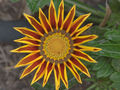
The cutting of cane stalks at the TAMU Horticultural Gardens in Texas A&M University's College Station campus on December 26, 2008, was a sight to behold. The tall, green stalks were harvested with precision and care, their leaves and flowers carefully removed before being placed in neat piles. The process was both methodical and efficient, showcasing the skill and dedication of the gardeners who tended to the plants. Despite the chill in the air, the atmosphere was one of warmth and productivity, as if the very life force of the garden was being harnessed and channeled into something beautiful and useful. – generated by AI |
The image presents a detailed view of the interior structure of a cane stalk, captured in the TAMU Horticultural Gardens at Texas A&M University in College Station, Texas, on December 26, 2008. The photograph offers an intimate glimpse into the inner workings of this plant part. Upon closer inspection, several key features become apparent: * **Tissue Layers:** The image reveals multiple layers of tissue within the cane stalk. These layers are likely composed of different types of cells and tissues, such as parenchyma, collenchyma, sclerenchyma, vascular bundles (xylem and phloem), perivascular sheath, and cambium. **Overall Impression:** |
El corte de tallo de caña en los Jardines Hortícolas TAMU en la Universidad Texas A y M. College Station, Texas, 26 de diciembre de 2008. La imagen presenta una vista detallada de la estructura interior de un tallo de caña, capturado en los Jardines Hortícolas TAMU en la Universidad Texas A&M en College Station, Texas, el 26 de diciembre de 2008. La fotografía ofrece una visión íntima del funcionamiento interno de esta parte de la planta. Tras un análisis más detallado, se hace evidente varias características clave: * **Capas de tejido:** La imagen revela múltiples capas de tejido dentro del tallo de caña. Estas capas están compuestas probablemente por diferentes tipos de células y tejidos, como parénquima, colénquima, esclerénquima, haces vasculares (xilema y floema), vaina perivascular y cámbium. * **Estructura celular:** La fotografía destaca la estructura celular del tallo de caña. Cada célula parece estar llena de una sustancia transparente, lo que posiblemente represente citoplasma o vacuolas. Esto sugiere que las células están activas y realizando varias funciones necesarias para el crecimiento y desarrollo de la planta. **Impresión general:** La imagen proporciona valiosos conocimientos sobre la anatomía de un tallo de caña, mostrando su compleja estructura interna compuesta por múltiples capas de tejido y componentes celulares. – Spanish translation |
| [+] | cut |
Keyword variants
Texas A&M University Horticultural Gardens
high resolution online digital collection
landscape and plant collection
Berlin on the Brazos
Agricultural and Mechanical College
Lone Star State
Horticultural Garden shot
United States
TAMU campus
public research
picture gallery
photo album
Horticultural Sciences
Hort Gardens
high education
documentary photographs
daily pics
conservative town
Brazos County
Aggie horticulture
univesity
universtiy
univeristy
TX
travelogue
technology
snapshots
sightseeing
science
photowalks
photoblog
graphic
gardening
fotografias
foto
Bryan
botany
America
Aggies
Aggieland
academics