 |
| |||||||||||||||||

| ||||||||||||||||||


| Similar |   |
  |
  |
  |
  |
| |||||||||||||||||||||||||||||
| |||||||||||||||||||||||||||||
| 1996 1997 1998 1999 2000 2001 2002 2003 2004 2005 2006 2007 2008 2009 2010 2011 2012 2013 2014 2015 2016 2017 2018 2019 2020 2021 2022 2023 2024 2025 2026 | |||||||||||||||||||||||||||||
| New version Slide Show Most Popular Full List Statistics Technical Details Home Page | |||||||||||||||||||||||||||||
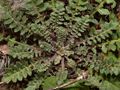
On a cold winter day in December, the Winter rosette of Hymenopappus artemisiifolius (Old plainsman) stood out in the Birch Creek Unit of Somerville Lake State Park in Texas. Its delicate petals, a soft blend of pink and white, glistened in the winter sunlight, creating a beautiful contrast against the park's barren landscape. Despite the chill in the air, this hardy wildflower remained unfazed, its vibrant colors a testament to the resilience of nature. – generated by AI |
The top half of the photo is a close-up view of rosette leaves from a plant that has been dormant for some time. The lower portion shows part of the same rosette, with a portion of the stem visible and one leaf unfurled. From the image, it appears that this is an herbaceous perennial species. Perennials grow from overwintering roots or rhizomes and regrow new leaves each spring. The plant in question has likely been dormant for several months and is just beginning to send up its first leaves of the season. The plant's stem is visible on the left side of the image, with a single leaf unfurled and pointing outwards from it. This suggests that the plant is starting to come back to life after a period of dormancy. The rosette leaves are densely packed together and have a soft, fuzzy texture. The leaves appear to be slightly curled under at their tips, which may help protect them from cold temperatures or moisture loss during periods of drought. Overall, this photo provides valuable information about the plant's growth habits and how it adapts to different environmental conditions. Based on the information provided in the caption, it seems likely that the species depicted is Hymenopappus artemisiifolius (Old plainsman), which is a common perennial found throughout much of Texas. However, without more specific details or expert confirmation, it's difficult to say for certain whether this identification is accurate. The fact that the photo was taken in December suggests that the plant may be one of the first to emerge from dormancy during the winter months in Texas. This could indicate that the species has adapted to thrive in areas with mild winters or that it has developed strategies to survive periods of cold weather. In any case, this image provides a fascinating glimpse into the natural world and highlights the importance of preserving and protecting our environment for future generations. – AI vision |
La roseta de invierno de Hymenopappus artemisiifolius (Old Plainsman) en la Unidad Birch Creek del Somerville Lake State Park, Texas, el 22 de diciembre de 2012. La mitad superior de la foto es una vista detallada de las hojas de la roseta de una planta que ha estado inactiva durante algún tiempo. La parte inferior muestra parte de la misma roseta, con una porción del tallo visible y una hoja desenrollada. De la imagen parece ser una especie herbácea perenne. Las plantas perennes crecen a partir de raíces o rizomas que sobreviven al invierno y vuelven a brotar hojas cada primavera. Es probable que la planta en cuestión haya estado durmiendo durante varios meses y esté comenzando a enviar sus primeras hojas de la temporada. El tallo de la planta es visible en el lado izquierdo de la imagen, con una sola hoja desenrollada y apuntando hacia afuera desde allí. Esto sugiere que la planta está empezando a volver a la vida después de un período de inactividad. Las hojas de la roseta están empaquetadas juntas de manera densa y tienen una textura blanda y peluda. Parece que las hojas se enrollan hacia abajo en sus puntas, lo que podría ayudar a protegerlas del frío o de la pérdida de humedad durante periodos de sequía. En general, esta foto proporciona información valiosa sobre los hábitats de crecimiento de las plantas y cómo se adaptan a diferentes condiciones ambientales. Teniendo en cuenta la información facilitada en el título, parece probable que la especie representada sea Hymenopappus artemisiifolius (Old Plainsman), que es una perenne común encontrada en gran parte de Texas. Sin embargo, sin más detalles o confirmación especializada, es difícil determinar con certeza si esta identificación es precisa. El hecho de que la foto se tomara en diciembre sugiere que la planta puede ser una de las primeras en salir del letargo durante los meses de invierno en Texas. Esto podría indicar que la especie ha evolucionado para prosperar en áreas con inviernos suaves o que ha desarrollado estrategias para sobrevivir a periodos de frío. En cualquier caso, esta imagen proporciona un vistazo fascinante al mundo natural y destaca la importancia de preservar y proteger nuestro medio ambiente para las generaciones futuras. – Spanish translation |
| [+] | lake somerville | |
| [+] | lake somerville texas | |
| [+] | somerville texas |
 | Somerville Lake. Somerville Lake is a U.S. Army Corps of Engineers reservoir on Yegua Creek in the Brazos River basin, 10 miles (16 km) northwest of Brenham, Texas, USA. The town of Somerville in Burleson County is adjacent to the reservoir (...) |
Keyword variants
high resolution online digital collection
Lake State Park photo
Somerville Lake SP
Somerville Lake snapshot
Lone Star State
birch tree images
woolly-white
United States
picture gallery
photo album
Hymenopappus artemisiaefolius
documentary photographs
daily pics
TX
travelogue
snapshots
sightseeing
photowalks
photoblog
graphic
fotografias
foto
brzoza
breza
birken
birke
birk
birchen
birche
birce
betula
beriozka
berioza
bereza
beorc
America