 |
| |||||||||||||||||

| ||||||||||||||||||


| Similar |   |
  |
  |
  |
  |
| |||||||||||||||||||||||||||||
| |||||||||||||||||||||||||||||
| 1996 1997 1998 1999 2000 2001 2002 2003 2004 2005 2006 2007 2008 2009 2010 2011 2012 2013 2014 2015 2016 2017 2018 2019 2020 2021 2022 2023 2024 2025 2026 | |||||||||||||||||||||||||||||
| New version Slide Show Most Popular Full List Statistics Technical Details Home Page | |||||||||||||||||||||||||||||
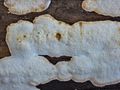
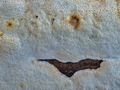
Neoantrodia serialis, also known as the antrodia serialis timber mushroom, can be found growing on mossy logs near Pesochnaya, located northwest of Saint Petersburg in Russia. This photograph was taken on July 23, 2017. – generated by AI |
The image presents a close-up view of the underside of a log, featuring a cluster of white, fan-shaped mushrooms with long, thin stems and small, rounded caps. The background is blurred but appears to be a forest setting, with greenery visible in the top-left corner. **Step 1: Identify the Mushrooms** The mushrooms in the image are identified as Neoantrodia serialis (Antrodia serialis)(?), also known as the resinous bracket fungus or Antrodia serialis. They have white to pale brown caps, measuring approximately 10-40 cm in diameter, and are characterized by their fan-shaped shape with a wavy margin. **Step 2: Analyze the Habitat** The log on which the mushrooms are growing appears to be a mossy surface covered with various types of lichens and other epiphytes. The surrounding environment is likely a forest ecosystem, given the presence of trees and other vegetation in the background. **Step 3: Consider the Time of Year** The image was taken in July, which suggests that the mushrooms are actively growing during this time period. Neoantrodia serialis is typically found on deciduous trees, particularly oak and beech, and tends to fruit from June to October. **Step 4: Evaluate the Condition of the Mushrooms** The mushrooms appear to be healthy and well-developed, with no visible signs of decay or damage. They have a white, powdery coating on their caps, which is typical of this species. The stems are long and thin, indicating that they are likely mature and ready for spore dispersal. **Step 5: Assess the Significance of the Image** The image provides valuable information about the habitat and growth habits of Neoantrodia serialis mushrooms. It highlights the importance of preserving forest ecosystems and promoting sustainable forestry practices to conserve these unique organisms. Additionally, the image can be used as a reference for identifying similar species in the future. In conclusion, the image presents a detailed view of Neoantrodia serialis (Antrodia serialis)(?) timber mushrooms growing on a mossy log in a forest ecosystem during the summer months. The mushrooms are healthy and well-developed, with a characteristic white, powdery coating on their caps. The image provides valuable insights into the habitat and growth habits of this species and highlights the importance of preserving forest ecosystems to conserve these unique organisms. – AI vision |
Перевод: Neoantrodia serialis (Antrodia serialis)(?) грибы-насекомые на мохнатом валежнике возле Песочной, северо-запад Санкт-Петербурга. Россия, 23 июля 2017 года. На изображении показан крупный план нижней стороны бревна с группой белых, разветвленных грибов с длинными тонкими ножками и маленькими округлыми шляпками. Фон размыт, но кажется, что это лесная местность, в верхнем углу видна зелень. **Этап 1: Идентифицировать грибы** Грибы на изображении опознаны как Neoantrodia serialis (Antrodia serialis)(?), также известные как мягкие трутовиковые грибы или Antrodia serialis. У них бело-беловатые шляпки размером примерно 10–40 см в диаметре и зубчатая волнистая форма с перистой каймой. **Этап 2: Анализ среды обитания** Валежник, на котором растут грибы, выглядит как покрытые разными видами лишайников и других эпифитов мохнатые поверхности. Скорее всего, окружающая среда представляет собой лесную экосистему, учитывая присутствие деревьев и другой растительности на заднем плане. **Этап 3: Учитывать время года** Снимок был сделан 23 июля, что означает, что грибы активно растут в этот период времени. Neoantrodia serialis обычно растет на листопадных деревьях, особенно дубах и буках, и плодоносит с июня по октябрь. **Этап 4: Оценить состояние грибов** Грибы выглядят здоровыми и хорошо развитыми, без видимых признаков гниения или повреждения. У них есть белое порошкообразное покрытие на шляпках, что характерно для этого вида. Ножки длинные и тонкие, что указывает на то, что они зрелые и готовы к распространению спор. **Этап 5: Оценить значимость изображения** Изображение предоставляет ценную информацию об среде обитания и особенностях роста грибов Neoantrodia serialis. Оно подчеркивает важность сохранения лесных экосистем и продвижения устойчивого лесопользования для сохранения этих уникальных организмов. Кроме того, изображение может быть использовано в будущем в качестве справки при определении похожих видов грибов. В заключение, на изображении представлены подробный план Neoantrodia serialis (Antrodia serialis)(?) древесных грибов, растущих на мохнатом валежнике в лесной экосистеме в течение летних месяцев. Грибы выглядят здоровыми и хорошо развитыми с характерным белым порошкообразным покрытием на шляпках. Изображение дает ценные данные о среде обитания и особенностях роста этого вида грибов и подчеркивает важность сохранения лесных экосистем для сохранения этих уникальных организмов. – Russian translation |
| [+] | mushrooms on a log | |
| [+] | log | |
| [+] | mossy |
Keyword variants
high resolution online digital collection
St. Pete's
St. Petersburg images
Soviet Union
Sankt Peterburg
Saint-Petersbourg
Russian Federation
Rossiya foto
picture gallery
photo album
Leningrad fotosnimki
former USSR
documentary photographs
daily pics
Venemaa
Venaja
travelogue
SPb
snimki
snapshots
sightseeing
Ryssland
Rwsia
Ruthenia
Rusya
Rusujo
Russland
Russja
Russie
Russi
Ruslando
Rusland
Rusko
Rusio
Rusija
Rusii
Rusia
Roushie
Rosya
Rosland
Rosia
Roshia
Raseja
Piter
Pietari
photowalks
photoblog
Petrograd
Orussiya
Oroszorszag
Lenjingrad
graphic
fungus
fungi
fotografias
fotki
Errusia