 |
| |||||||||||||||||

| ||||||||||||||||||


| Similar | 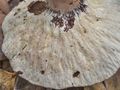  |
  |
  |
  |
  |
| |||||||||||||||||||||||||||||
| |||||||||||||||||||||||||||||
| 1996 1997 1998 1999 2000 2001 2002 2003 2004 2005 2006 2007 2008 2009 2010 2011 2012 2013 2014 2015 2016 2017 2018 2019 2020 2021 2022 2023 2024 2025 2026 | |||||||||||||||||||||||||||||
| New version Slide Show Most Popular Full List Statistics Technical Details Home Page | |||||||||||||||||||||||||||||
In the Little Thicket Nature Sanctuary in Cleveland, Texas, a fascinating sight can be observed during the month of November. Here, you can witness the Candy cap mushroom (Lactarius camphoratus) and a milkcap with a parasitic fungus Peckiella camphorati growing together. This unique sight is a result of the complex relationships between different species of fungi and their interactions with each other. The Candy cap mushroom, known for its sweet aroma and brightly colored caps, is host to the parasitic fungus Peckiella camphorati, which grows on its surface. This phenomenon is a testament to the diversity of life on our planet and the intricate web of relationships that exist between living organisms. – generated by AI |
The image presents a close-up view of three mushrooms situated on top of dried leaves, likely taken at ground level. The mushrooms are surrounded by numerous dry brown leaves that appear to be decaying or have been trampled upon, suggesting they may have fallen from nearby trees. One mushroom is positioned near the center of the frame and appears to be a milkcap species (Lactarius camphoratus). It features a white cap with an irregular shape and a light-brown stem. Two other mushrooms are partially visible on the right side of the frame, but their details cannot be discerned due to their proximity to the edge of the image. The mushrooms' caps exhibit some damage or decay, indicating they may have been exposed to environmental factors such as rain, wind, or insects. The overall appearance suggests that the mushrooms have been lying on the ground for an extended period, possibly several days or weeks. In addition to the mushrooms, a small white growth is visible at the base of one mushroom's stem. This growth resembles a parasitic fungus (Hypomyces camphorati), which often infects and transforms its host into a unique structure known as a "stinkhorn." The presence of this fungus suggests that the milkcap may have been infected by it, further highlighting the dynamic interactions between species in nature. The image provides valuable insights into the natural world, showcasing the intricate relationships between different organisms and their environments. By examining the details presented in this photograph, we can gain a deeper understanding of the complex ecosystems that exist on our planet. – AI vision |
El hongo Lactarius camphoratus (sombrero de leche) y un sombrero de leche con un hongo parásito Peckiella camphorati (Hypomyces camphorati) en el Santuario Natural Little Thicket. Cleveland, Texas, 3 de noviembre de 2018. La imagen presenta una vista detallada de tres hongos situados encima de hojas secas, probablemente tomadas a nivel del suelo. Los hongos están rodeados por numerosas hojas marrones secas que parecen estar descomponiéndose o pisoteadas, lo que sugiere que pueden haber caído de árboles cercanos. Un hongo está colocado cerca del centro del cuadro y parece ser una especie de sombrero (Lactarius camphoratus). Presenta un sombrero blanco con una forma irregular y un tallo marrón claro. Dos otros hongos son parcialmente visibles en el lado derecho del cuadro, pero sus detalles no se pueden discernir debido a su proximidad al borde de la imagen. Los sombreros de los hongos exhiben daños o descomposición, lo que indica que pueden haber estado expuestos a factores ambientales como la lluvia, el viento o los insectos. El aspecto general sugiere que los hongos han estado acostados en el suelo durante un periodo prolongado, posiblemente varios días o semanas. Además de los hongos, se puede observar un pequeño crecimiento blanco en la base del tallo de uno de ellos. Este crecimiento recuerda a un hongo parásito (Hypomyces camphorati), que a menudo infecta y transforma su anfitrión en una estructura única conocida como "hongos del mal olor". La presencia de este hongo sugiere que el sombrero de leche puede haber sido infectado por él, lo que destaca aún más las dinámicas interacciones entre especies en la naturaleza. La imagen ofrece valiosas perspectivas del mundo natural, mostrando las intrincadas relaciones entre diferentes organismos y sus entornos. Al examinar los detalles presentados en esta fotografía, podemos obtener una comprensión más profunda de los ecosistemas complejos que existen en nuestro planeta. – Spanish translation |
| [+] | parasite | |
| [+] | thicket picture | |
| [+] | parasitic |
Keyword variants
high resolution online digital collection
Lone Star State
United States
picture gallery
photo album
documentary photographs
daily pics
TX
travelogue
snapshots
sightseeing
photowalks
photoblog
littel
graphic
fungi
fotografias
foto
America