 |
| |||||||||||||||||

| ||||||||||||||||||


| Similar | 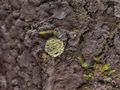  |
  |
  |
  |
  |
| |||||||||||||||||||||||||||||
| |||||||||||||||||||||||||||||
| 1996 1997 1998 1999 2000 2001 2002 2003 2004 2005 2006 2007 2008 2009 2010 2011 2012 2013 2014 2015 2016 2017 2018 2019 2020 2021 2022 2023 2024 2025 2026 | |||||||||||||||||||||||||||||
| New version Slide Show Most Popular Full List Statistics Technical Details Home Page | |||||||||||||||||||||||||||||
The brown prostrate fungus, belonging to the family Corticiaceae, was spotted thriving on a tree in the Winters Bayou area of Sam Houston National Forest, located east of Waverly, Texas. This fascinating organism was captured on camera on February 23rd, 2019. – generated by AI |
The image depicts a brown, prostrate fungus belonging to the family Corticiaceae growing on the trunk or branch of a tree. The fungus is characterized by its flat and broad shape, resembling crusts that grow out from the bark of trees. Its coloration is predominantly brown with a slightly lighter shade in the center. In the provided caption, it is mentioned that this particular species was photographed near Winters Bayou in Sam Houston National Forest, east of Waverly, Texas, on February 23, 2019. This information suggests that the image was captured during the winter season and provides context about the geographical location where the fungus was observed. Upon closer inspection, the image reveals a complex pattern of growth, with smaller, lighter-colored patches scattered throughout the main mass of the fungus. These lighter areas may indicate different stages of development or potentially other species growing alongside it. The overall appearance of the fungus suggests that it is part of a larger community of microorganisms thriving on the tree's surface. The image provides valuable insights into the diversity and distribution of fungi in natural environments, particularly in forests where they play crucial roles in decomposition processes and nutrient cycling. By examining images like this one, researchers can gain a better understanding of these organisms and their ecological significance. – AI vision |
Hongo prostrado de Brown (Corticiaceae) en un árbol en el área del arroyo Winters en la selva nacional Sam Houston, al este de Waverly. Texas, 23 de febrero de 2019. La imagen muestra un hongo pardo prostrado que pertenece a la familia Corticiaceae que crece en el tronco o rama de un árbol. El hongo se caracteriza por su forma plana y ancha, parecida a las costras que crecen desde la corteza de los árboles. Su coloración es predominantemente parda con un tono ligeramente más claro en el centro. En el epígrafe proporcionado, se menciona que esta especie en particular fue fotografiada cerca del arroyo Winters en la selva nacional Sam Houston, al este de Waverly, Texas, el 23 de febrero de 2019. Esta información sugiere que la imagen fue capturada durante la temporada de invierno y proporciona contexto sobre la ubicación geográfica donde se observó el hongo. Tras una revisión detallada, la imagen revela un patrón complejo de crecimiento, con parches más pequeños y de color más claro dispersos por toda la masa principal del hongo. Estos áreas más claras pueden indicar diferentes etapas de desarrollo o potencialmente otras especies que crecen junto a ella. La apariencia general del hongo sugiere que forma parte de una comunidad más grande de microorganismos que prosperan en la superficie del árbol. La imagen proporciona información valiosa sobre la diversidad y distribución de hongos en entornos naturales, particularmente en bosques donde desempeñan un papel crucial en procesos de descomposición y ciclo de nutrientes. Al examinar imágenes como esta, los investigadores pueden obtener una mejor comprensión de estos organismos y su significado ecológico. – Spanish translation |
| [+] | bayou | |
| [+] | trees forest | |
| [+] | winter |
Keyword variants
high resolution online digital collection
Houston National Forest photos
Lone Star State
United States
small stream
picture gallery
photo album
documentary photographs
daily pics
TX
travelogue
snapshots
sightseeing
photowalks
photoblog
graphic
fotografias
foto
creek
America