 |
| |||||||||||||||||

| ||||||||||||||||||


| Similar | 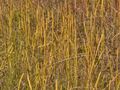  |
  |
  |
  |
  |
| |||||||||||||||||||||||||||||
| |||||||||||||||||||||||||||||
| 1996 1997 1998 1999 2000 2001 2002 2003 2004 2005 2006 2007 2008 2009 2010 2011 2012 2013 2014 2015 2016 2017 2018 2019 2020 2021 2022 2023 2024 2025 2026 | |||||||||||||||||||||||||||||
| New version Slide Show Most Popular Full List Statistics Technical Details Home Page | |||||||||||||||||||||||||||||
On a recently cleared plot of land near Kountze, Texas, two fascinating plant species thrive - the foxtail bog clubmoss (Lycopodiella alopecuroides) and sundew Drosera capillaris. This photograph was taken on November 9th, 2019, showcasing the unique beauty of these plants in their natural habitat. The cleared ground provides an ideal environment for these species to flourish, with ample sunlight and space to grow. – generated by AI |
The image presents an aerial view of the ground, showcasing a cluster of Foxtail bog clubmoss (Lycopodiella alopecuroides) and sundew Drosera capillaris plants growing on a property near Kountze, Texas. In the foreground, three small greenish-yellow leaves with sharp edges are visible. These leaves belong to the Foxtail bog clubmoss, which is characterized by its unique appearance. The plant's growth pattern is irregular and compact, allowing it to spread quickly across open spaces while maintaining a relatively low profile. This adaptation enables the Foxtail bog clubmoss to thrive in areas with dense vegetation or where other plants may struggle to grow. As we move towards the center of the image, two small red leaves are visible. These leaves belong to the sundew Drosera capillaris. The plant's stems and leaves are covered in tiny hairs that secrete a sticky substance, attracting insects and allowing the plant to capture them for nutrients. The ground beneath the plants appears dark brown or black, indicating that it is likely made of clay or soil rich in organic matter. This type of soil would provide an ideal environment for these plants to grow, as they require well-draining conditions but can tolerate some moisture. Overall, this image showcases the unique characteristics and adaptations of the Foxtail bog clubmoss and sundew Drosera capillaris plants, highlighting their ability to thrive in a variety of environments. – AI vision |
El musgo de cabellera de zorro (Lycopodiella alopecuroides) y la zarzaparrilla arbórea Drosera capillaris en un suelo despejado de bosques en una propiedad en la carretera 770 desde granja a carretera 5369 cerca de Kountze, Texas. 9 de noviembre de 2019. La imagen presenta una vista aérea del suelo, mostrando un grupo de musgo de cabellera de zorro (Lycopodiella alopecuroides) y plantas de zarzaparrilla arbórea Drosera capillaris creciendo en una propiedad cerca de Kountze, Texas. En primer plano, son visibles tres hojas pequeñas y amarillas con bordes afilados. Estas hojas pertenecen al musgo de cabellera de zorro, que se caracteriza por su apariencia única. El patrón de crecimiento de la planta es irregular y compacto, lo que le permite extenderse rápidamente por espacios abiertos manteniendo un perfil relativamente bajo. Esta adaptación le permite al musgo de cabellera de zorro prosperar en áreas con vegetación densa o donde otras plantas pueden tener dificultades para crecer. Al avanzar hacia el centro de la imagen, son visibles dos pequeñas hojas rojas. Estas hojas pertenecen a la zarzaparrilla arbórea Drosera capillaris. Los tallos y las hojas de la planta están cubiertos por pelos minúsculos que secretan una sustancia pegajosa, lo que atrapa insectos y permite que la planta los capture para obtener nutrientes. El suelo debajo de las plantas aparece marrón oscuro o negro, lo que indica que está probablemente hecho de arcilla o tierra rica en materia orgánica. Este tipo de suelo proporcionaría un entorno ideal para el crecimiento de estas plantas, ya que requieren condiciones bien drenadas pero pueden tolerar cierta humedad. En general, esta imagen muestra las características únicas y las adaptaciones del musgo de cabellera de zorro y la zarzaparrilla arbórea Drosera capillaris, destacando su capacidad para prosperar en una variedad de entornos. – Spanish translation |
| [+] | road in the woods | |
| [+] | bogs | |
| [+] | clubmosses |
Keyword variants
high resolution online digital collection
Lone Star State
United States
picture gallery
photo album
Market Rd.
documentary photographs
daily pics
TX
travelogue
snapshots
sightseeing
photowalks
photoblog
graphic
fotografias
foto
America