 |
| |||||||||||||||||

| ||||||||||||||||||


| Similar |   |
  |
  |
  |
  |
| |||||||||||||||||||||||||||||
| |||||||||||||||||||||||||||||
| 1996 1997 1998 1999 2000 2001 2002 2003 2004 2005 2006 2007 2008 2009 2010 2011 2012 2013 2014 2015 2016 2017 2018 2019 2020 2021 2022 2023 2024 2025 2026 | |||||||||||||||||||||||||||||
| New version Slide Show Most Popular Full List Statistics Technical Details Home Page | |||||||||||||||||||||||||||||
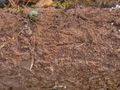
A fleshy, white crust of fungi, specifically Hymenochaetopsis tabacina (formerly known as Pseudochaete tabacina), has formed over the surface of a fallen oak tree on the Stubblefield section of the Lone Star hiking trail, located north of Trailhead No. 6 in the Sam Houston National Forest, Texas. This sighting was captured on January 4, 2020. The crust-like growth is characteristic of this type of fungus, which thrives in the damp and humid environment of the forest floor. – generated by AI |
The image presents a close-up view of a white crust-like substance covering a corticioid fungus on a fallen oak tree trunk. The texture of the growth resembles that of an old piece of parchment or paper, with cracks and fissures scattered throughout its surface. A dark brown to black area is visible in the left foreground, which appears to be a different type of organism growing alongside the white crust. The overall appearance of this image suggests that it may have been taken during a period of environmental change or stress affecting the ecosystem in which these organisms live. The use of such terminology as "crust" and "fissures" evokes the idea that the growths are somewhat fragile and vulnerable to damage, perhaps due to external factors like weather conditions. This could imply that the fungi may be struggling to survive under certain circumstances or that their ability to thrive is being impacted by environmental changes. In terms of coloration, the primary hues present in this image include shades of white, gray, brown, black, and tan. The overall palette appears muted, suggesting a lack of vibrant colors typically associated with healthy plant growth. This could indicate issues related to nutrient availability or other environmental stressors affecting the fungi's ability to absorb necessary resources. The texture of both the white crust and dark brown areas is rough and uneven, indicating that they may be more susceptible to damage than smoother surfaces would be. The presence of cracks and fissures on the surface suggests potential vulnerabilities in their structure, which could make them more prone to decay or disruption. Given this information, one possible interpretation of this image could involve an analysis of how environmental factors influence the development and survival of these fungi. For example: * **Impact of Weather Conditions:** The presence of cracks and fissures on both growths might indicate increased sensitivity to weather-related stressors such as extreme temperatures or precipitation patterns. This image provides a window into potential environmental challenges faced by these fungi, offering insights into how they adapt and respond to changing conditions within their ecosystem. – AI vision |
Alguna costra blanca creciendo sobre el hongo corticioide Hymenochaetopsis tabacina (Pseudochaete tabacina) en un roble caído en la sección Stubblefield del sendero de excursión Lone Star al norte desde el punto de partida n.° 6 en el Bosque Nacional Sam Houston. Texas, 4 de enero de 2020. La imagen muestra una vista detallada de una sustancia parecida a la costra blanca que cubre un hongo corticioide en el tronco de un roble caído. La textura del crecimiento se asemeja a la de un viejo papel plegado o pergamino, con grietas y fisuras dispersas por toda su superficie. En el primer plano a la izquierda es visible una zona oscura de marrón a negro, que parece ser un tipo diferente de organismo creciendo junto a la costra blanca. El aspecto general de esta imagen sugiere que puede haberse tomado durante un período de cambio o estrés ambiental que afecta al ecosistema en el que viven estos organismos. El uso de términos como "costra" y "fisuras" evoca la idea de que los crecimientos son algo frágiles y vulnerables a daños, quizás debido a factores externos como las condiciones climáticas. Esto podría implicar que los hongos puedan tener dificultades para sobrevivir bajo ciertas circunstancias o que su capacidad para prosperar se vea afectada por cambios ambientales. En términos de coloración, las principales tonalidades presentes en esta imagen incluyen tonos de blanco, gris, marrón, negro y beige. El paleta general parece atenuada, lo que sugiere la falta de colores vibrantes normalmente asociados con el crecimiento saludable de las plantas. Esto podría indicar problemas relacionados con la disponibilidad de nutrientes u otros estresores ambientales que afectan la capacidad del hongo para absorber los recursos necesarios. La textura de la costra blanca y las áreas marrones oscuras es áspera e irregular, lo que indica que pueden ser más vulnerables a daños que superficies más suaves. La presencia de grietas y fisuras en la superficie sugiere posibles vulnerabilidades en su estructura, lo que podría hacerlas más propensas a la descomposición o interrupción. Teniendo en cuenta esta información, una interpretación posible de esta imagen podría involucrar el análisis de cómo los factores ambientales influyen en el desarrollo y supervivencia de estos hongos. Por ejemplo: * **Impacto de las condiciones climáticas:** La presencia de grietas y fisuras en ambos crecimientos podría indicar un mayor sensibilidad a factores relacionados con el estrés por el clima, como temperaturas extremas o patrones de precipitación. * **Disponibilidad de nutrientes:** Una paleta apagada podría sugerir dificultades para absorber los nutrientes esenciales necesarios para un desarrollo saludable, lo que podría estar relacionado con cambios en la composición del suelo o la calidad del agua dentro del ecosistema. * **Dinámicas competitivas:** La coexistencia de múltiples organismos (costra blanca y área marrón oscuro) podría implicar competir por recursos como luz, espacio o perfiles específicos de nutrientes, lo que conduce a adaptaciones que podrían afectar la salud general. Esta imagen ofrece una ventana hacia los desafíos ambientales a los que se enfrentan estos hongos, proporcionando información sobre cómo se adaptan y responden a condiciones cambiantes dentro de su ecosistema. – Spanish translation |
| [+] | white oak forest |
Keyword variants
high resolution online digital collection
Houston National Forest photograph
Lone Star State
United States
picture gallery
photo album
documentary photographs
daily pics
TX
travelogue
snapshots
sightseeing
photowalks
photoblog
graphic
fotografias
foto
America