 |
| |||||||||||||||||

| ||||||||||||||||||


| Similar | 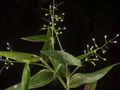  |
  |
  |
  |
  |
| |||||||||||||||||||||||||||||
| |||||||||||||||||||||||||||||
| 1996 1997 1998 1999 2000 2001 2002 2003 2004 2005 2006 2007 2008 2009 2010 2011 2012 2013 2014 2015 2016 2017 2018 2019 2020 2021 2022 2023 2024 2025 2026 | |||||||||||||||||||||||||||||
| New version Slide Show Most Popular Full List Statistics Technical Details Home Page | |||||||||||||||||||||||||||||
The velvety panicgrass (Dichanthelium scoparium) adorns the Richards Loop Trail in Sam Houston National Forest, Texas, with its delicate, soft-to-the-touch blades that sway gracefully in the breeze. The photograph was captured on May 10, 2020, showcasing the beauty of this grass species at its peak. – generated by AI |
The image presents a close-up view of a plant with slender, green stems and leaves that are not visible due to their proximity to the camera. The main attraction is the numerous buds on the branches, which appear to be at various stages of development. The buds are small and oval-shaped, measuring approximately 1-2 centimeters in length. They are clustered together in groups, with some being more tightly packed than others. The coloration of the buds varies from a light green hue to a slightly darker shade, depending on their proximity to the tip of the branch. Upon closer inspection, it becomes apparent that the stems and leaves are covered in fine hairs, giving them a velvety texture. This characteristic is likely responsible for the plant's common name, "velvety panicgrass." In the background, there appears to be some foliage or other vegetation, although it is not clearly discernible due to the focus on the central subject. The overall atmosphere of the image suggests that it was captured in a natural setting, possibly during the early morning or late afternoon when the lighting is soft and diffused. Given the time of year indicated in the caption (May 10), it is likely that the plant is in bloom, with the buds preparing to open into flowers. The image provides an intimate view of the plant's structure and texture, highlighting its unique characteristics and inviting further exploration of its biology and ecology. – AI vision |
El panicrasto florido (Dichanthelium scoparium) en el sendero de Richards Loop en la Selva Nacional Sam Houston. Texas, 10 de mayo del 2020. La imagen presenta una vista cercana de una planta con tallos verdes delgados y hojas que no son visibles debido a su proximidad a la cámara. La atracción principal son las numerosas yemas en los brotes, que parecen estar en diversas etapas de desarrollo. Las yemas son pequeñas y ovaladas, midiendo aproximadamente 1-2 centímetros de largo. Se agrupan juntas en grupos, con algunos más apretados que otros. La coloración de las yemas varía de un tono verde claro a uno ligeramente más oscuro, dependiendo de su proximidad a la punta del brote. Con una inspección más detallada, se hace evidente que los tallos y hojas están cubiertos con pelos finos, dándoles una textura similar al terciopelo. Esta característica es probablemente responsable del nombre común de la planta, "panicrasto florido". En el fondo, parece haber alguna vegetación o foliaje, aunque no se puede discernir claramente debido a que el enfoque está centrado en el sujeto principal. La atmósfera general de la imagen sugiere que fue capturada en un entorno natural, posiblemente durante la mañana temprano o el atardecer cuando la iluminación es blanda y difusa. Dado el tiempo del año indicado en la leyenda (10 de mayo), es probable que la planta esté floreciendo, con las yemas preparándose para abrirse como flores. La imagen proporciona una vista íntima de la estructura y textura de la planta, destacando sus características únicas e invitando a una exploración adicional de su biología y ecología. – Spanish translation |
Keyword variants
Richards Loop Trail online image
high resolution online digital collection
Houston National Forest photograph
Lone Star State
United States
picture gallery
photo album
documentary photographs
daily pics
TX
travelogue
snapshots
sightseeing
photowalks
photoblog
graphic
fotografias
foto
America