 |
| |||||||||||||||||

| ||||||||||||||||||


| Similar | 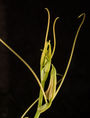  |
  |
  |
  |
  |
| |||||||||||||||||||||||||||||
| |||||||||||||||||||||||||||||
| 1996 1997 1998 1999 2000 2001 2002 2003 2004 2005 2006 2007 2008 2009 2010 2011 2012 2013 2014 2015 2016 2017 2018 2019 2020 2021 2022 2023 2024 2025 2026 | |||||||||||||||||||||||||||||
| New version Slide Show Most Popular Full List Statistics Technical Details Home Page | |||||||||||||||||||||||||||||
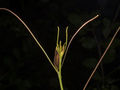
A vibrant shoot of greenbrier (Smilax) adorns the Richards Loop Trail in the picturesque Sam Houston National Forest of Texas. Captured on May 10, 2020, this photograph showcases the beauty of this delicate yet resilient plant as it thrives in its natural habitat. The shoot's tender green leaves and slender stems stand out against the forest floor, creating a striking contrast that highlights the plant's unique characteristics. – generated by AI |
The image presents a close-up view of a shoot from the greenbrier plant (Smilax), captured against a dark background. The photograph was taken on Richards Loop Trail within Sam Houston National Forest in Texas during May 10, 2020. In the foreground, the shoot's structure is prominent, featuring two long, thin stems that sprout upwards and outwards from the main stem. Each of these stems terminates with a rounded leaf-like appendage at their tip. The leaves themselves are small and pointed, adding to the intricate details of the plant's anatomy. The greenbrier plant is distinguished by its unique growth patterns and adaptations. It utilizes long, thin tendrils as climbing aids, allowing it to ascend vertical surfaces such as trees or fence posts. These tendrils are often equipped with sharp spines that can cause injury if mishandled. The leaves of the greenbrier are small and pointed, typically arranged in clusters along the stem. The dark background effectively highlights the intricate details of the shoot's structure, drawing attention to the plant's unique features and adaptations. Overall, the image provides a detailed look at the morphology of the greenbrier plant, showcasing its distinctive characteristics and growth patterns. – AI vision |
Hay un tallo de enebro (Smilax) en el Richards Loop Trail en la Sam Houston National Forest. Texas, 10 de mayo de 2020. La imagen presenta una vista detallada de un tallo de la planta de enebro (Smilax), capturado contra un fondo oscuro. La fotografía se tomó el 10 de mayo de 2020 en el Richards Loop Trail dentro de la Sam Houston National Forest en Texas. En primer plano, la estructura del tallo es prominente, con dos largos y delgados tallos que brotan hacia arriba y hacia afuera desde el tallo principal. Cada uno de estos tallos termina con una apariencia redondeada similar a una hoja en su punta. Las hojas en sí son pequeñas y puntiagudas, lo que agrega detalles intrincados a la anatomía de la planta. La planta de enebro se distingue por sus patrones de crecimiento únicos y adaptaciones. Utiliza largos y delgados tentáculos como ayudas para trepar, lo que le permite ascender superficies verticales como árboles o postes de valla. Estos tentáculos a menudo están equipados con espinas agudas que pueden causar lesiones si se manejan mal. Las hojas del enebro son pequeñas y puntiagudas, típicamente dispuestas en racimos a lo largo del tallo. El fondo oscuro destaca efectivamente los detalles intrincados de la estructura del tallo, llamando la atención sobre las características únicas y adaptaciones de la planta. En general, la imagen proporciona un vistazo detallado a la morfología de la planta de enebro, mostrando sus características distintivas y patrones de crecimiento. – Spanish translation |
Keyword variants
Houston National Forest online image
high resolution online digital collection
Richards Loop Trail grafika
Lone Star State
United States
picture gallery
photo album
documentary photographs
daily pics
TX
travelogue
snapshots
sightseeing
photowalks
photoblog
graphic
fotografias
foto
America