 |
| |||||||||||||||||

| ||||||||||||||||||


| Similar |   |
  |
  |
  |
  |
| |||||||||||||||||||||||||||||
| |||||||||||||||||||||||||||||
| 1996 1997 1998 1999 2000 2001 2002 2003 2004 2005 2006 2007 2008 2009 2010 2011 2012 2013 2014 2015 2016 2017 2018 2019 2020 2021 2022 2023 2024 2025 2026 | |||||||||||||||||||||||||||||
| New version Slide Show Most Popular Full List Statistics Technical Details Home Page | |||||||||||||||||||||||||||||
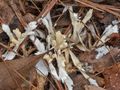
The enveloping crust fungus (Sebacina incrustans) thrives near a sandy trail in the Big Creek Scenic Area of Sam Houston National Forest, Shepherd, Texas. This fascinating species was captured on camera on May 30, 2020. Its unique growth pattern is characterized by a crust-like appearance, with individual fungi growing together to form a cohesive layer that envelops the substrate. The mossy terrain provides an ideal habitat for this fungus to flourish, creating a striking visual display of texture and color. – generated by AI |
The image presents a detailed view of a fungal growth enveloping moss near a sandy trail within the Big Creek Scenic Area of Sam Houston National Forest in Shepherd, Texas. The scene is characterized by a dense accumulation of white or off-white, fuzzy growths that have encircled the greenish-brown mosses. These growths are irregularly shaped and display varying sizes, with some appearing larger than others. The surrounding area appears to be composed of sandy soil, which may explain why the fungus has chosen this spot to grow. The presence of these fungal structures suggests an active process of decomposition or nutrient absorption within the ecosystem. Additionally, the mosses themselves seem to be thriving amidst this growth, indicating a balanced interaction between the various components of the environment. The overall setting is likely that of a temperate forest floor, where such interactions between fungi and vegetation are common. The image provides valuable insights into the intricate relationships within an ecosystem and highlights the importance of these often-overlooked organisms in maintaining ecological balance. – AI vision |
Los detalles del hongo envolvente (Sebacina incrustans) en el musgo cerca de un sendero arenoso en el área escénica de Big Creek de la selva nacional Sam Houston. Shepherd, Texas, 30 de mayo de 2020. La imagen presenta una vista detallada del crecimiento fúngico que envuelve al musgo cerca de un sendero arenoso dentro del área escénica de Big Creek de la selva nacional Sam Houston en Shepherd, Texas. El lugar está caracterizado por una acumulación densa de crecimientos peludos blancos o grisáceos que han rodeado los musgos parduscos-verdosos. Estos crecimientos tienen formas irregulares y muestran diferentes tamaños, apareciendo algunos más grandes que otros. El área circundante parece estar compuesta de suelo arenoso, lo que puede explicar por qué el hongo ha elegido este lugar para crecer. La presencia de estas estructuras fúngicas sugiere un proceso activo de descomposición o absorción de nutrientes dentro del ecosistema. Además, los musgos parecen estar prosperando en medio de este crecimiento, lo que indica una interacción equilibrada entre los diversos componentes del entorno. El escenario probable es el de un suelo de bosque templado, donde son comunes estas interacciones entre hongos y vegetación. La imagen proporciona información valiosa sobre las intrincadas relaciones dentro de un ecosistema y resalta la importancia de estos organismos a menudo ignorados en el mantenimiento del equilibrio ecológico. – Spanish translation |
| [+] | sandy area | |
| [+] | texas mosses |
Keyword variants
Houston National Forest photo album
high resolution online digital collection
Lone Star State
United States
picture gallery
documentary photographs
daily pics
TX
travelogue
snapshots
sightseeing
photowalks
photoblog
graphic
fotografias
foto
America