 |
| |||||||||||||||||

| ||||||||||||||||||


| Similar |   |
  |
  |
  |
  |
| |||||||||||||||||||||||||||||
| |||||||||||||||||||||||||||||
| 1996 1997 1998 1999 2000 2001 2002 2003 2004 2005 2006 2007 2008 2009 2010 2011 2012 2013 2014 2015 2016 2017 2018 2019 2020 2021 2022 2023 2024 2025 2026 | |||||||||||||||||||||||||||||
| New version Slide Show Most Popular Full List Statistics Technical Details Home Page | |||||||||||||||||||||||||||||
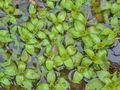
On a sunny day in July 2020, I captured an image of the water hyacinth (Eichhornia crassipes) growing majestically in Lake Conroe's Stubblefield section of the Lone Star hiking trail, located north of Trailhead No. 6 in Sam Houston National Forest, Texas. The photograph was taken on July 31st of that year. – generated by AI |
The photograph features a vibrant purple Water hyacinth (Eichhornia crassipes) plant with its distinctive blue-tinged petals and yellow center, situated on the ground's surface. The pale green leaves are visible at the base of the flower and along the stem. Water hyacinths are aquatic plants native to South America but have been widely introduced as ornamental plants around the world, often becoming invasive due to their ability to reproduce prolifically in water bodies. They can form dense mats that obstruct sunlight from reaching other plants and create a habitat for mosquitoes and other pests. In this image, the Water hyacinth has bloomed out of its natural aquatic environment, which is likely attributed to its invasion of terrestrial habitats where it lacks the necessary conditions to thrive. This phenomenon is not uncommon with non-native species, which can adapt to new environments in unexpected ways. The background features dark brown soil and various dead plant matter scattered around the base of the flower, indicating that it has recently been uprooted from a lake or pond environment. The overall image presents an intriguing glimpse into the resilience and adaptability of invasive plant species. – AI vision |
Hiedra de agua (Eichhornia crassipes) tomada del Lago Conroe en la sección Stubblefield de la ruta de senderismo Lone Star al norte desde el Punto Inicial No. 6 en el Bosque Nacional Sam Houston. Texas, 31 de julio de 2020. La fotografía muestra una planta vibrante de hiedra de agua (Eichhornia crassipes) de color morado con sus pétalos de tonalidad azul distintivos y centro amarillo, situada en la superficie del suelo. Las hojas verde pálido son visibles en la base de la flor y a lo largo del tallo. Las hiedras de agua son plantas acuáticas nativas de Sudamérica pero se han introducido ampliamente como plantas ornamentales en todo el mundo, convirtiéndose con frecuencia en invasoras debido a su capacidad para reproducirse prolíficamente en cuerpos de agua. Pueden formar espesos mantos que impiden que la luz solar llegue a otras plantas y crean un hábitat para mosquitos y otras plagas. En esta imagen, la hiedra de agua ha florecido fuera de su entorno acuático natural, lo que probablemente se deba a su invasión de los hábitats terrestres donde carecen de las condiciones necesarias para prosperar. Este fenómeno no es infrecuente entre las especies exóticas, que pueden adaptarse a nuevos entornos de formas inesperadas. El fondo muestra suelo marrón oscuro y varias plantas muertas dispersas alrededor de la base de la flor, lo que indica que ha sido desarraigada recientemente de un lago o entorno de estanque. La imagen general presenta una intrigante vista de la resiliencia y adaptabilidad de las especies invasoras de plantas. – Spanish translation |
Keyword variants
high resolution online digital collection
Houston National Forest photos
Lone Star State
Lake Conroe picture
United States
picture gallery
photo album
documentary photographs
daily pics
TX
travelogue
snapshots
sightseeing
photowalks
photoblog
graphic
fotografias
foto
America