 |
| |||||||||||||||||

| ||||||||||||||||||


| Similar | 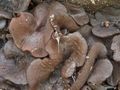  |
  |
  |
  |
  |
| |||||||||||||||||||||||||||||
| |||||||||||||||||||||||||||||
| 1996 1997 1998 1999 2000 2001 2002 2003 2004 2005 2006 2007 2008 2009 2010 2011 2012 2013 2014 2015 2016 2017 2018 2019 2020 2021 2022 2023 2024 2025 2026 | |||||||||||||||||||||||||||||
| New version Slide Show Most Popular Full List Statistics Technical Details Home Page | |||||||||||||||||||||||||||||
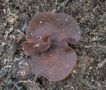
On a scenic trail in the Sam Houston National Forest, I discovered an unusual sight - a fungus known as Ascobolus carbonarius thriving on bonfire ashes. This peculiar species was found on Caney Creek Trail (part of the Little Lake Creek Loop Trail) north of Montgomery, Texas, on September 19, 2020. The photograph captures the intriguing sight of this fungus growing on the charred remains of a bonfire, showcasing its resilience and adaptability in harsh environments. – generated by AI |
The image depicts a close-up view of a fungus, specifically Ascobolus carbonarius, growing on bonfire ashes. The mushroom's dark brown to black coloration is evident, with some white specks visible on its surface. The caps appear irregularly shaped and have a wavy edge. The background of the image features a layer of charcoal or ash, likely from a bonfire, which provides a striking contrast to the fungus' dark color. This setting suggests that the mushroom has adapted to thrive in an environment created by human activity, specifically the remains of a fire. Overall, the image showcases the unique characteristics of Ascobolus carbonarius and its ability to flourish in unexpected locations, highlighting the fascinating diversity of fungal species found in nature. – AI vision |
El hongo Ascobolus carbonarius en las cenizas de una hoguera en el Caney Creek Trail (Little Lake Creek Loop Trail) en el Bosque Nacional Sam Houston al norte de Montgomery, Texas, el 19 de septiembre de 2020. La imagen representa una vista de cerca de un hongo, específicamente Ascobolus carbonarius, que crece en las cenizas de una hoguera. La coloración oscura del hongo, de marrón a negro, es evidente, con algunos puntos blancos visibles en su superficie. Las tapas tienen forma irregular y un borde ondulado. El fondo de la imagen presenta una capa de carbón o ceniza, probablemente de una hoguera, que proporciona un contraste sorprendente con el color oscuro del hongo. Este entorno sugiere que el hongo se ha adaptado para prosperar en un ambiente creado por la actividad humana, específicamente los restos de una fogata. En general, la imagen muestra las características únicas de Ascobolus carbonarius y su capacidad de prosperar en ubicaciones inesperadas, lo que subraya la fascinante diversidad de especies fúngicas encontradas en la naturaleza. – Spanish translation |
Keyword variants
high resolution online digital collection
Caney Creek Trail color photograph
Lake Creek Loop picture
Houston National Forest picture
Creek Loop Trail picture
Lone Star State
Little Lake images
United States
picture gallery
photo album
documentary photographs
daily pics
TX
travelogue
snapshots
sightseeing
photowalks
photoblog
littel
graphic
fotografias
foto
America