 |
| |||||||||||||||||

| ||||||||||||||||||


| Similar | 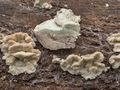  |
  |
  |
  |
  |
| |||||||||||||||||||||||||||||
| |||||||||||||||||||||||||||||
| 1996 1997 1998 1999 2000 2001 2002 2003 2004 2005 2006 2007 2008 2009 2010 2011 2012 2013 2014 2015 2016 2017 2018 2019 2020 2021 2022 2023 2024 2025 2026 | |||||||||||||||||||||||||||||
| New version Slide Show Most Popular Full List Statistics Technical Details Home Page | |||||||||||||||||||||||||||||
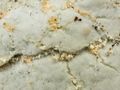
The smoky-headed cheese fungus Tyromyces fumidiceps can be found growing on oak logs lacking bark in dry creek beds, such as those located along the Caney Creek section of the Lone Star Hiking Trail in Sam Houston National Forest, north of Montgomery, Texas. This species was photographed on October 10th, 2020. – generated by AI |
The image presents a close-up view of several pieces of Smoky-headed Cheese Fungus (Tyromyces fumidiceps) situated on an oak log without bark within a dry creek bed along Caney Creek within the Lone Star Hiking Trail of Sam Houston National Forest, located north of Montgomery, Texas. The fungus exhibits a white to pale-blue coloration and is characterized by its irregularly shaped appearance with various forms including rounded, curved, or angular shapes. Notably, some pieces display darker areas where they have been buried in soil or leaf litter for extended periods. The fungus has developed a soft, white layer on the inside of these pieces, likely as a result of having been buried and partially covered by soil or leaf litter. In contrast, the outer surfaces of the mushroom appear relatively dry and rough in texture. The presence of dirt and debris adhering to the surface of some pieces further supports this interpretation. Upon closer inspection, it becomes apparent that the fungus has not yet fully matured. One piece still retains its initial white coloration, while another appears to be slightly discolored due to exposure to air. This suggests that these specimens may have been collected from a relatively recent growth or sprouting event within the forest environment. The oak log supporting these fungi is brown in color and devoid of bark, suggesting that it has undergone some level of decomposition or erosion over time. The overall appearance of the image implies that the Smoky-headed Cheese Fungus has been growing on this decaying wood for an extended period, likely several weeks to months, given its partially matured state and adherence to the log's surface. In conclusion, the image provides a detailed glimpse into the life cycle of the Smoky-headed Cheese Fungus as it grows and matures within a specific forest environment. The combination of visual clues, including coloration, texture, and presence of dirt and debris, collectively indicate that these specimens are at an intermediate stage of development, having been buried in soil or leaf litter for several weeks to months prior to being collected. – AI vision |
Hongo queso de cabeza negruzca (Tyromyces fumidiceps) en un tronco de roble sin corteza en un arroyo seco en la sección Caney Creek del Sendero para excursionistas Lone Star en el Bosque Nacional Sam Houston al norte de Montgomery. Texas, 10 de octubre de 2020. La imagen presenta una vista detallada de varios trozos de Hongo queso de cabeza negruzca (Tyromyces fumidiceps) situados en un tronco de roble sin corteza dentro de un lecho seco de un arroyo a lo largo del Caney Creek dentro del Sendero para excursionistas Lone Star del Bosque Nacional Sam Houston, ubicado al norte de Montgomery, Texas. El hongo presenta una coloración blanca a azul pálido y se caracteriza por su aspecto irregular con varias formas incluyendo formas redondeadas, curvadas o angulares. Notablemente, algunos trozos muestran áreas más oscuras donde han estado enterrados en el suelo o en la capa superior de hojas durante periodos prolongados. El hongo ha desarrollado una capa blanca y suave en el interior de estos trozos, probablemente como resultado de haber estado enterrado y parcialmente cubierto por el suelo o la capa superior de hojas. Por el contrario, las superficies exteriores del hongo parecen secas y de textura áspera. La presencia de suciedad y restos adheridos a la superficie de algunos trozos respalda esta interpretación. Al inspeccionar más detenidamente, se aprecia que el hongo no ha madurado completamente. Un trozo conserva su coloración inicial blanca, mientras que otro parece estar ligeramente descolorido debido a la exposición al aire. Esto sugiere que estos ejemplares podrían haberse recogido de un evento de crecimiento o brote relativamente reciente en el entorno forestal. El tronco de roble que soporta estos hongos es de color pardo y carece de corteza, lo que sugiere que ha experimentado algún grado de descomposición o erosión con el tiempo. La apariencia general de la imagen indica que el Hongo queso de cabeza negruzca ha estado creciendo en esta madera podrida durante un periodo prolongado, probablemente varias semanas a meses, dado su estado parcialmente maduro y adherencia a la superficie del tronco. En conclusión, la imagen proporciona una visión detallada del ciclo de vida del Hongo queso de cabeza negruzca a medida que crece y madura dentro de un entorno forestal específico. La combinación de pistas visuales, incluidos la coloración, textura y presencia de suciedad y restos, indican colectivamente que estos ejemplares se encuentran en una etapa intermedia de desarrollo, habiendo estado enterrados en el suelo o capa superior de hojas durante varias semanas a meses antes de ser recogidos. – Spanish translation |
| [+] | dry creek | |
| [+] | oak bark |
Keyword variants
Star Hiking Trail color photograph
Houston National Forest color photograph
high resolution online digital collection
Lone Star State
United States
picture gallery
photo album
documentary photographs
daily pics
TX
travelogue
snapshots
sightseeing
photowalks
photoblog
graphic
fotografias
foto
America