 |
| |||||||||||||||||

| ||||||||||||||||||


| Similar |   |
  |
  |
  |
  |
| |||||||||||||||||||||||||||||
| |||||||||||||||||||||||||||||
| 1996 1997 1998 1999 2000 2001 2002 2003 2004 2005 2006 2007 2008 2009 2010 2011 2012 2013 2014 2015 2016 2017 2018 2019 2020 2021 2022 2023 2024 2025 2026 | |||||||||||||||||||||||||||||
| New version Slide Show Most Popular Full List Statistics Technical Details Home Page | |||||||||||||||||||||||||||||
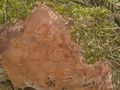
The Fomitiporia punctata group of resupinate polypores were observed growing on a dry tree in the Big Creek Scenic Area of Sam Houston National Forest, Shepherd, Texas, on October 11, 2020. – generated by AI |
The image shows a close-up view of the bark and wood of a tree trunk that has been colonized by a resupinate polypore mushroom. The tree's bark is dry and brown, with patches of lighter-colored bark visible on the left side of the image. The surface of the bark is rough and uneven, with small cracks and crevices visible. The mushroom appears to be growing directly on the wood of the tree trunk, rather than on the bark. It has a flat, irregular shape that follows the contours of the underlying wood. The mushroom's cap is not visible in this image, as it is likely hidden from view by the surrounding bark and wood. The overall appearance of the image suggests that the tree is dead or dying, and that the resupinate polypore mushroom has colonized its trunk. This type of fungus often grows on decaying or rotting wood, where it can feed on cellulose and other organic compounds. In terms of color, the dominant hues in this image are shades of brown, ranging from light tan to dark chocolate. The lighter-colored patches of bark add a touch of contrast to the overall scene, while the rough texture of the bark provides visual interest. Overall, the image presents a detailed view of the relationship between a resupinate polypore mushroom and its host tree trunk, highlighting the unique characteristics of these organisms and their interactions with their environment. – AI vision |
El hongo Resupinato poliporo del grupo de Fomitiporia punctata en un árbol seco en el área escénica Big Creek de la selva nacional Sam Houston. Shepherd, Texas, 11 de octubre de 2020. La imagen muestra una vista cercana de la corteza y la madera de un tronco de árbol que ha sido colonizado por el hongo Resupinato poliporo. La corteza del árbol está seca y marrón, con parches de corteza de color más claro visibles en el lado izquierdo de la imagen. La superficie de la corteza es rugosa e irregular, con grietas pequeñas y hendiduras visibles. El hongo parece estar creciendo directamente sobre la madera del tronco del árbol, en lugar de hacerlo sobre la corteza. Tiene una forma plana e irregular que sigue los contornos de la madera subyacente. La parte superior del hongo no es visible en esta imagen, ya que probablemente está oculta de la vista por la corteza y la madera circundantes. El aspecto general de la imagen sugiere que el árbol está muerto o muriendo, y que el hongo Resupinato poliporo ha colonizado su tronco. Este tipo de hongos crecen a menudo en madera podrida o en descomposición, donde pueden alimentarse de celulosa y otros compuestos orgánicos. En términos de color, los matices dominantes en esta imagen son tonalidades marrones que oscilan entre un tono tostado claro y uno chocolate oscuro. Las manchas más claras de corteza añaden un toque de contraste a la escena general, mientras que la textura áspera de la corteza proporciona interés visual. En conjunto, la imagen presenta una vista detallada de la relación entre el hongo Resupinato poliporo y su tronco de árbol anfitrión, destacando las características únicas de estos organismos y sus interacciones con su entorno. – Spanish translation |
| [+] | big tree | |
| [+] | trees in october | |
| [+] | dry tree |
Keyword variants
Houston National Forest photo album
high resolution online digital collection
Lone Star State
United States
picture gallery
documentary photographs
daily pics
TX
travelogue
snapshots
sightseeing
photowalks
photoblog
graphic
fungus
fungi
fotografias
foto
America