 |
| |||||||||||||||||

| ||||||||||||||||||


| Similar | 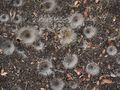  |
  |
  |
  |
  |
| |||||||||||||||||||||||||||||
| |||||||||||||||||||||||||||||
| 1996 1997 1998 1999 2000 2001 2002 2003 2004 2005 2006 2007 2008 2009 2010 2011 2012 2013 2014 2015 2016 2017 2018 2019 2020 2021 2022 2023 2024 2025 2026 | |||||||||||||||||||||||||||||
| New version Slide Show Most Popular Full List Statistics Technical Details Home Page | |||||||||||||||||||||||||||||
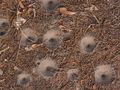
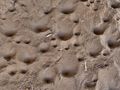
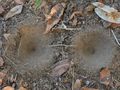
Antlion larvae construct intricate sand pit traps in the shed at Lake Somerville Trailway near Nails Creek Unit of Somerville Lake State Park in Texas. These traps were built on November 21, 2020, showcasing the antlions' remarkable engineering skills. The larvae use these traps to capture prey, demonstrating their resourcefulness and adaptability in their underground habitat. – generated by AI |
The image depicts a sandy surface with numerous small holes scattered across it. The sand is light brown and appears to be dry, devoid of any visible moisture or humidity. Each hole is approximately one inch in diameter and has been dug into the sand by an antlion larva as part of its hunting strategy. Antlions are insects that feed on ants and other small insects. They have a unique way of capturing prey: they dig deep pits in sandy areas, then lie at the bottom of each pit with their bodies parallel to the surface. When an unsuspecting insect falls into one of these pits, the antlion larva springs up and captures it by striking it with its long, slender forelegs. The image shows a large number of sand traps created by multiple antlion larvae in the same area. This suggests that there is an abundance of ants or other small insects in this location, providing ample food for the antlion larvae to feed on. The presence of so many holes also indicates that the ants are active during the day and are attracted to the sandy surface. Overall, the image provides a fascinating glimpse into the behavior of antlion larvae and their unique hunting strategy. It highlights the importance of understanding the ecological relationships between different species in an ecosystem and how they interact with each other to survive. – AI vision |
Las trampas de las larvas de Antlion en una zanja en el Lake Somerville Trailway cerca de la unidad de Nails Creek del Parque Estatal Lake Somerville, Texas, 21 de noviembre de 2020. La imagen muestra una superficie arenosa con numerosos pequeños agujeros dispersados por ella. El arena es pardo claro y parece seco, desprovisto de cualquier humedad o humedad visible. Cada agujero tiene aproximadamente un pulgado de diámetro y ha sido cavado en la arena por una larva de Antlion como parte de su estrategia de caza. Las antas son insectos que se alimentan de hormigas y otros pequeños insectos. Tienen una forma única de capturar presas: excavan pozos profundos en áreas arenosas, luego se acuestan en el fondo de cada pozo con sus cuerpos paralelos a la superficie. Cuando un insecto no sospechoso cae en uno de estos pozos, la larva de Antlion salta y lo captura al golpearlo con sus delgados primeros patas largas. La imagen muestra una gran cantidad de trampas de arena creadas por múltiples larvas de Antlion en el mismo área. Esto sugiere que hay una abundancia de hormigas u otros pequeños insectos en este lugar, proporcionando un alimento suficiente para las larvas de Antlion para alimentarse. La presencia de tantos agujeros también indica que las hormigas son activas durante el día y son atraídas por la superficie arenosa. En general, la imagen proporciona una visión fascinante del comportamiento de las larvas de Antlion y su estrategia única de caza. Destaca la importancia de entender las relaciones ecológicas entre diferentes especies en un ecosistema y cómo interactúan entre sí para sobrevivir. – Spanish translation |
| [+] | nails creek lake somerville | |
| [+] | nails pictures | |
| [+] | antlion |
Keyword variants
Lake State Park picture show
high resolution online digital collection
Lake Somerville Trailway photograph
Somerville Lake SP
Somerville Lake photo
Lone Star State
United States
picture gallery
photo album
documentary photographs
daily pics
TX
travelogue
snapshots
sightseeing
photowalks
photoblog
graphic
fotografias
foto
America