 |
| |||||||||||||||||

| ||||||||||||||||||


| Similar |   |
  |
  |
  |
  |
| |||||||||||||||||||||||||||||
| |||||||||||||||||||||||||||||
| 1996 1997 1998 1999 2000 2001 2002 2003 2004 2005 2006 2007 2008 2009 2010 2011 2012 2013 2014 2015 2016 2017 2018 2019 2020 2021 2022 2023 2024 2025 2026 | |||||||||||||||||||||||||||||
| New version Slide Show Most Popular Full List Statistics Technical Details Home Page | |||||||||||||||||||||||||||||
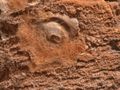
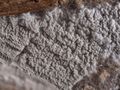
On the underside of a fallen oak at Lake Somerville Trailway near Birch Creek Unit of Somerville Lake State Park in Texas, a fascinating fungus known as Tomentella was observed on December 29, 2020. Its unique appearance, with intricate patterns and textures, adds to the beauty of this already stunning natural wonder. – generated by AI |
The image presents a close-up view of the underside of a fallen oak tree trunk, showcasing the intricate details of its bark surface. The primary focus is on the presence of a fungus, specifically Tomentella, which has colonized the area. Upon closer inspection, it becomes apparent that the fungus has developed in the form of small, cotton-like growths covering much of the exposed wood. These growths are typically found in clusters or patches and range from pale cream to dark brown in color. The fungus appears to be thriving in this environment, with its growth seemingly undeterred by the surrounding conditions. Interestingly, the image also highlights several areas where the bark has begun to decay, creating small openings or cavities within the trunk. These cavities are likely a result of natural processes such as weathering or insect activity and may provide an entry point for other organisms to colonize the area. In addition to the fungus and decaying bark, the image reveals several other features characteristic of the tree's underside. Notably, the texture of the bark is rough and irregular, with deep grooves and ridges running along its surface. This texture likely plays a role in the attachment and growth of various organisms within this environment. Furthermore, the image suggests that the fallen oak trunk may have been lying on the ground for an extended period, possibly due to disease or damage caused by external factors such as storms or pests. The presence of mosses or lichens growing on top of the trunk could also indicate a prolonged duration since the tree fell. In conclusion, this image offers a detailed look at the underside of a fallen oak tree trunk, highlighting the complex interplay between various organisms and environmental conditions. The growth of Tomentella fungus, decaying bark, rough texture, and potential entry points for other organisms all contribute to a fascinating snapshot of ecological dynamics in action. – AI vision |
El hongo Tomentella en la parte inferior de un roble caído en el Lake Somerville Trailway cerca de Birch Creek Unit of Somerville Lake State Park, Texas, el 29 de diciembre de 2020. La imagen presenta una vista en primer plano del lado inferior del tronco de un roble caído, mostrando los detalles intrincados de su superficie de corteza. El foco principal está en la presencia de un hongo, específicamente Tomentella, que ha colonizado el área. Al inspeccionarlo más de cerca, se vuelve evidente que el hongo ha evolucionado en forma de pequeños crecimientos similares a algodón que cubren gran parte de la madera expuesta. Estos crecimientos se encuentran normalmente en racimos o parches y varían en color desde crema pálido hasta marrón oscuro. El hongo parece estar prosperando en este entorno, con su crecimiento aparentemente indiferente a las condiciones circundantes. Curiosamente, la imagen también destaca varias áreas donde la corteza ha comenzado a descomponerse, creando pequeñas aberturas u huecos dentro del tronco. Estos huecos probablemente sean el resultado de procesos naturales como el desgaste o la actividad de insectos y pueden proporcionar un punto de entrada para otros organismos que colonicen el área. Además del hongo y la corteza en descomposición, la imagen revela varias otras características típicas de la parte inferior de un árbol. En particular, la textura de la corteza es rugosa e irregular, con surcos profundos y arrugas que corren a lo largo de su superficie. Esta textura probablemente desempeña un papel en la fijación y el crecimiento de varios organismos dentro de este entorno. Además, la imagen sugiere que el tronco caído puede haber estado tumbado en el suelo durante un período prolongado, posiblemente debido a enfermedades o daños causados por factores externos como tormentas o plagas. La presencia de musgos u líquenes que crecen encima del tronco también podría indicar una duración prolongada desde que el árbol cayó. En conclusión, esta imagen ofrece una mirada detallada a la parte inferior de un tronco de roble caído, destacando la compleja interacción entre varios organismos y condiciones ambientales. El crecimiento del hongo Tomentella, la corteza en descomposición, la textura áspera e irregular y los potenciales puntos de entrada para otros organismos, todos contribuyen a un fascinante instantánea de las dinámicas ecológicas en acción. – Spanish translation |
Keyword variants
high resolution online digital collection
Lake State Park images
Lake Somerville Trailway pictures
Somerville Lake SP
Somerville Lake snapshot
Lone Star State
birch tree photo
United States
picture gallery
photo album
documentary photographs
daily pics
TX
travelogue
snapshots
sightseeing
photowalks
photoblog
graphic
fotografias
foto
brzoza
breza
birken
birke
birk
birchen
birche
birce
betula
beriozka
berioza
bereza
beorc
America