 |
| |||||||||||||||||

| ||||||||||||||||||


| Similar |   |
  |
  |
  |
  |
| |||||||||||||||||||||||||||||
| |||||||||||||||||||||||||||||
| 1996 1997 1998 1999 2000 2001 2002 2003 2004 2005 2006 2007 2008 2009 2010 2011 2012 2013 2014 2015 2016 2017 2018 2019 2020 2021 2022 2023 2024 2025 2026 | |||||||||||||||||||||||||||||
| New version Slide Show Most Popular Full List Statistics Technical Details Home Page | |||||||||||||||||||||||||||||
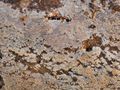
A close-up view of some corticioid fungus growing on decaying wood of a deciduous tree is captured in this photograph, which was taken on December 29, 2021, in the Caney Creek section of the Lone Star Hiking Trail in Sam Houston National Forest, located north of Montgomery, Texas. The image showcases the intricate details of the fungus's crust-like texture, with termite holes visible on the wood. – generated by AI |
The image presents a close-up view of a corticioid fungus growing on decaying wood from a deciduous tree, characterized by numerous termite holes. The fungus exhibits a rough and irregular texture with scattered openings, potentially indicating its porous nature. **Key Features:** * **Fungal Growth:** A thick layer of white to light brown fungal tissue covers the wood surface. **Overall Impression:** The image showcases the intricate relationship between fungi and their hosts, highlighting the complex interactions that occur in ecosystems. The corticioid fungus has formed a symbiotic partnership with the decaying tree, breaking down organic matter and recycling nutrients while providing protection to the underlying wood structure. – AI vision |
Un primer plano de un hongo corticial (costra) en madera podrida de un árbol caducifolio con agujeros de termitas en la sección de Caney Creek del sendero Lone Star Hiking Trail en el bosque nacional Sam Houston al norte de Montgomery, Texas, el 29 de diciembre de 2021. La imagen presenta una vista de primer plano de un hongo corticial que crece en la madera en descomposición de un árbol caducifolio, caracterizado por numerosos agujeros de termitas. El hongo muestra una textura áspera e irregular con aberturas dispersas, lo que potencialmente indica su naturaleza porosa. **Características clave:** * **Crecimiento fúngico:** Una capa gruesa de tejido fúngico blanco a marrón claro cubre la superficie de la madera. * **Textura porosa:** Las pequeñas aberturas en la superficie de la madera se producen probablemente debido al crecimiento del hongo, lo que puede facilitar la absorción de agua y el intercambio de nutrientes. * **Material de árbol caducifolio:** La madera en descomposición es de un árbol caducifolio, como se evidencia por la presencia de agujeros de termitas. * **Agujeros de termitas:** Múltiples agujeros en la madera indican actividad de termitas, con algunas áreas mostrando daños más significativos que otras. **Impresión general:** La imagen muestra la compleja relación entre hongos y sus anfitriones, destacando las interacciones complejas que ocurren en los ecosistemas. El hongo corticial ha formado una asociación simbiótica con el árbol en descomposición, descomponiendo la materia orgánica y reciclando nutrientes mientras protege la estructura de madera subyacente. – Spanish translation |
Keyword variants
Houston National Forest photo album
high resolution online digital collection
Star Hiking Trail pictures
Lone Star State
United States
picture gallery
documentary photographs
daily pics
TX
travelogue
snapshots
sightseeing
photowalks
photoblog
graphic
fotografias
foto
America