 |
| |||||||||||||||||

| ||||||||||||||||||


| Similar | 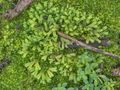  |
  |
  |
  |
  |
| |||||||||||||||||||||||||||||
| |||||||||||||||||||||||||||||
| 1996 1997 1998 1999 2000 2001 2002 2003 2004 2005 2006 2007 2008 2009 2010 2011 2012 2013 2014 2015 2016 2017 2018 2019 2020 2021 2022 2023 2024 2025 2026 | |||||||||||||||||||||||||||||
| New version Slide Show Most Popular Full List Statistics Technical Details Home Page | |||||||||||||||||||||||||||||
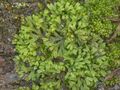
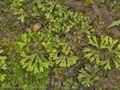
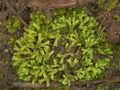
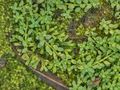
On the edge of Flag Pond, a picturesque lake located within the Nails Creek Unit of Somerville Lake State Park in Texas, a fascinating scene unfolds. Here, two distinct species of plants - the flat green liverwort Riccia huebeneriana and the Texas balloonwort - thrive together, their delicate tendrils and leaves contrasting against the dry, rocky terrain. This captivating sight was captured on December 30, 2021, after the water level had fallen, revealing a glimpse into the unique ecosystem that exists in this tranquil setting. – generated by AI |
The image features a close-up view of two distinct types of plants growing side by side. The dominant plant, Riccia huebeneriana, is characterized by its flat green leaves and appears to be thriving on the edge of a water source. Riccia huebeneriana is a species of liverwort commonly found in wetlands, particularly on rocks or soil near bodies of water. Its flat, leaf-like structures are typically between 1-2 mm wide and have a wavy edge. This plant has adapted to survive in environments with fluctuating water levels by producing specialized structures that allow it to absorb moisture. The second plant visible in the image is likely Texas balloonwort (Utricularia subulata), which grows on land but can tolerate temporary flooding when its water level rises. The two plants are growing together, suggesting a symbiotic relationship where they coexist without competing for resources or space. This could be due to their shared environment and adaptations to the same ecological niche. The image provides an excellent example of how different species can thrive in similar environments, highlighting the importance of understanding plant ecology and the intricate relationships within ecosystems. – AI vision |
El musgo de hígado plano Riccia huebeneriana junto con el musgo de balón de Texas en el borde del Flag Ponf después de que su nivel de agua cayera en la senda del lago Somerville cerca de Nails Creek Unidad del parque estatal de Somerville Lake. Texas, 30 de diciembre de 2021. La imagen presenta una vista de cerca de dos tipos distintos de plantas que crecen juntas. La planta dominante, Riccia huebeneriana, se caracteriza por sus hojas verdes planas y parece prosperar en el borde de una fuente de agua. Riccia huebeneriana es una especie de musgo comúnmente encontrada en zonas húmedas, particularmente sobre rocas o suelo cerca de cuerpos de agua. Sus estructuras planas similares a hojas tienen un ancho de entre 1-2 mm y un borde ondulado. Esta planta se ha adaptado para sobrevivir en entornos con niveles fluctuantes de agua al producir estructuras especializadas que le permiten absorber la humedad. La segunda planta visible en la imagen es probablemente el musgo de balón de Texas (Utricularia subulata), que crece sobre tierra pero puede tolerar inundaciones temporales cuando su nivel de agua aumenta. Las dos plantas crecen juntas, lo que sugiere una relación simbiótica en la que coexisten sin competir por recursos o espacio. Esto podría deberse a su entorno compartido y adaptaciones al mismo nicho ecológico. La imagen proporciona un excelente ejemplo de cómo diferentes especies pueden prosperar en entornos similares, lo que resalta la importancia de comprender la ecología vegetal y las relaciones intrincadas dentro de los ecosistemas. – Spanish translation |
Keyword variants
high resolution online digital collection
Somerville Lake picture show
Lake State Park photographs
Lake Somerville Trailway photograph
Somerville Lake SP
Lone Star State
United States
picture gallery
photo album
documentary photographs
daily pics
TX
travelogue
snapshots
sightseeing
photowalks
photoblog
graphic
fotografias
foto
America