 |
| |||||||||||||||||

| ||||||||||||||||||


| Similar |   |
  |
  |
  |
  |
| |||||||||||||||||||||||||||||
| |||||||||||||||||||||||||||||
| 1996 1997 1998 1999 2000 2001 2002 2003 2004 2005 2006 2007 2008 2009 2010 2011 2012 2013 2014 2015 2016 2017 2018 2019 2020 2021 2022 2023 2024 2025 2026 | |||||||||||||||||||||||||||||
| New version Slide Show Most Popular Full List Statistics Technical Details Home Page | |||||||||||||||||||||||||||||
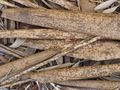
Remnants of towering giant cane (Arundinaria gigantea) litter the earthy terrain along the Kiwanis Nature Trail in College Station, Texas, captured on August 9th, 2022. The dried remains of this majestic plant now lay scattered about, a testament to their former glory. – generated by AI |
The image shows a close-up of dried plant material scattered on the ground. The photo is taken from directly above the plants, which are mostly brown and tan in color. They appear to be long, thin sticks with a rough texture. Most likely, the plants depicted in the image are giant cane (Arundinaria gigantea), a type of bamboo native to North America. Giant cane grows up to 10 feet tall and is considered an invasive species in many regions due to its ability to spread rapidly through rhizomes and outcompete native vegetation for resources. The fact that the plants have turned brown suggests that they are dead or dying, likely due to environmental factors such as drought or disease. The presence of dried plant material on the ground also implies that these plants were once alive and thriving in this area. Overall, the image provides a detailed view of giant cane's physical characteristics and its potential impact on ecosystems if left unchecked. It highlights the importance of responsible land management practices to prevent the spread of invasive species like giant cane and protect native biodiversity. – AI vision |
Restos secos de caña gigante (Arundinaria gigantea) en el suelo del Sendero Natural de Kiwanis. College Station, Texas, 9 de agosto de 2022. La imagen muestra un primer plano del material seco de la planta esparcido por el suelo. La foto se toma directamente por encima de las plantas, que en su mayoría son de color marrón y castaño. Parecen ser palitos largos y delgados con una textura áspera. Muy probablemente, las plantas representadas en la imagen sean caña gigante (Arundinaria gigantea), un tipo de bambú nativo de América del Norte. La caña gigante crece hasta una altura de 10 pies y se considera una especie invasora en muchas regiones debido a su capacidad para extenderse rápidamente a través de rizomas y competir con la vegetación nativa por los recursos. El hecho de que las plantas hayan adquirido un color marrón sugiere que están muertas o en vías de morir, probablemente debido a factores ambientales como sequía o enfermedades. La presencia de material vegetal seco en el suelo también implica que estas plantas estaban vivas y prosperando en este área. En general, la imagen proporciona una vista detallada de las características físicas de la caña gigante y su posible impacto en los ecosistemas si no se controla. Destaca la importancia de prácticas responsables de manejo del territorio para prevenir la propagación de especies invasoras como la caña gigante y proteger la biodiversidad nativa. – Spanish translation |
Keyword variants
high resolution online digital collection
Kiwanis Nature Trail pic
Berlin on the Brazos
Lone Star State
United States
picture gallery
photo album
documentary photographs
daily pics
conservative town
Brazos County
TX
travelogue
snapshots
sightseeing
photowalks
photoblog
graphic
fotografias
foto
Bryan
America
Aggieland