 |
| |||||||||||||||||

| ||||||||||||||||||


| Similar |   |
  |
  |
  |
  |
| |||||||||||||||||||||||||||||
| |||||||||||||||||||||||||||||
| 1996 1997 1998 1999 2000 2001 2002 2003 2004 2005 2006 2007 2008 2009 2010 2011 2012 2013 2014 2015 2016 2017 2018 2019 2020 2021 2022 2023 2024 2025 2026 | |||||||||||||||||||||||||||||
| New version Slide Show Most Popular Full List Statistics Technical Details Home Page | |||||||||||||||||||||||||||||
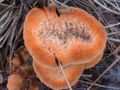
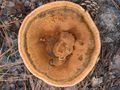
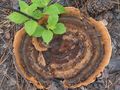
During my hike at the Stubblefield section of the Lone Star hiking trail in Sam Houston National Forest, Texas, I encountered a fascinating species of mushroom known as Dyer's mazegill (Phaeolus schweinitzii) on September 11, 2022. Its unique appearance and intricate patterns caught my attention, making for an unforgettable sighting. – generated by AI |
The image showcases a close-up view of two Dyer's mazegill mushrooms (Phaeolus schweinitzii), showcasing their unique appearance and habitat. The mushroom has a thick, orange-brown cap with darker brown concentric rings etched into its surface, giving it a distinctive and intricate texture. Below the cap are several branches or stems that connect to the base of the fungus. The background of the image is dominated by the reddish brown color of pine needles, which cover the forest floor in a thick layer, providing an ideal environment for the growth of this type of mushroom. The overall effect of the image is one of understated beauty and natural wonder, highlighting the unique characteristics of these fascinating organisms. The location of the mushrooms was likely chosen because it provides an optimal growing condition for Dyer's mazegill mushrooms, which are known to thrive in damp, shaded environments. The fact that the mushrooms were collected on a hiking trail suggests that they may be accessible to hikers and nature enthusiasts who are interested in learning more about these fascinating organisms. Overall, the image presents a detailed and informative view of Dyer's mazegill mushrooms in their natural habitat, highlighting their unique appearance and characteristics while also providing insight into their ecological importance. – AI vision |
El hongo de Mazegill de Dyer (Phaeolus schweinitzii) recolectado en la sección Stubblefield del sendero de excursiones Lone Star en el Bosque Nacional Sam Houston. Texas, 11 de septiembre de 2022. La imagen muestra una vista detallada de dos hongos de Mazegill de Dyer (Phaeolus schweinitzii), destacando su apariencia y hábitat únicos. El hongo tiene un sombrero marrón anaranjado grueso con anillos concéntricos más oscuros grabados en su superficie, lo que le da una textura distintiva e intrincada. Debajo del sombrero hay varias ramas o tallos que se conectan a la base del hongo. El fondo de la imagen está dominado por el color marrón rojizo de las agujas de pino, que cubren el suelo del bosque en una capa gruesa, proporcionando un entorno ideal para el crecimiento de este tipo de hongo. El efecto general de la imagen es uno de belleza sutil y maravilla natural, destacando las características únicas de estos fascinantes organismos. La ubicación de los hongos fue elegida probablemente porque proporciona unas condiciones óptimas para el crecimiento de los hongos de Mazegill de Dyer, que son conocidos por prosperar en entornos húmedos y sombreados. El hecho de que los hongos fueron recolectados en un sendero de excursiones sugiere que pueden estar accesibles a excursionistas y amantes de la naturaleza que estén interesados en saber más sobre estos fascinantes organismos. En general, la imagen presenta una vista detallada e informativa de los hongos de Mazegill de Dyer en su hábitat natural, destacando su apariencia y características únicas al tiempo que proporciona información sobre su importancia ecológica. – Spanish translation |
Keyword variants
Houston National Forest web graphics
high resolution online digital collection
Lone Star State
United States
picture gallery
photo album
documentary photographs
daily pics
TX
travelogue
snapshots
sightseeing
photowalks
photoblog
graphic
fungus
fungi
fotografias
foto
America