 |
| |||||||||||||||

| ||||||||||||||||


| Similar | 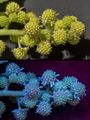  |
  |
  |
  |
  |
| |||||||||||||||||||||||||||
| |||||||||||||||||||||||||||
| 1996 1997 1998 1999 2000 2001 2002 2003 2004 2005 2006 2007 2008 2009 2010 2011 2012 2013 2014 2015 2016 2017 2018 2019 2020 2021 2022 2023 2024 2025 2026 | |||||||||||||||||||||||||||
| New version Slide Show Most Popular Full List Statistics Technical Details Home Page | |||||||||||||||||||||||||||
The image presents a comparative analysis of cockleburs under two distinct lighting conditions: regular daylight and ultraviolet (UV-A) illumination from a 365 nm blacklight. **Top Image: Cockleburs Exposed to Regular Daylight** * The cockleburs are displayed in their natural state, without any artificial enhancement. **Bottom Image: Cockleburs Illuminated by 365 nm UV-A Blacklight** * Upon exposure to the UV-A blacklight, the cockleburs undergo a significant transformation. **Key Observations** * The use of UV-A light reveals hidden details in the cockleburs' structure, such as the intricate patterns on their surface. **Conclusion** The image effectively demonstrates the impact of different lighting conditions on our perception of cockleburs. By exposing these plants to both regular daylight and UV-A illumination, we gain a deeper understanding of their appearance, structure, and potential uses. This visual comparison serves as a valuable tool for researchers, enthusiasts, and anyone interested in exploring the natural world. – AI vision |
Los huevos de la hierbabuena (Xanthium strumarium) cuando se exponen a la luz del día regular, así como también cuando se iluminan con una luz negra ultravioleta (UV-A) de 365 nm en la unidad Birch Creek del Parque Estatal Somerville Lake. Texas, 14 de septiembre de 2024. La imagen presenta un análisis comparativo de los huevos bajo dos condiciones de iluminación distintas: luz del día regular e iluminación ultravioleta (UV-A) de una luz negra de 365 nm. **Imagen superior: Huevos expuestos a luz del día** * Los huevos se muestran en su estado natural, sin ninguna mejora artificial. * Presentan un color verde vibrante con puntas amarillas, característico del follaje de la planta. * El fondo está oscurecido, permitiendo un contraste y visibilidad óptimos. **Imagen inferior: Huevos iluminados por luz negra UV-A de 365 nm** * Tras la exposición a la luz negra UV-A, los huevos sufren una transformación significativa. * Su color verde natural se reemplaza por un tono azul destacado, acentuando su textura espinosa. * El fondo permanece oscurecido, pero el efecto global es uno de contraste y un interés visual incrementado. **Observaciones clave** * El uso de luz UV-A revela detalles ocultos en la estructura de los huevos, como los patrones intrincados en su superficie. * La coloración azul observada bajo iluminación UV-A destaca las propiedades y características únicas de la planta. * La comparación entre las dos imágenes subraya la importancia de considerar múltiples perspectivas al estudiar u observar fenómenos naturales. **Conclusión** La imagen demuestra eficazmente el impacto de diferentes condiciones de iluminación en nuestra percepción de los huevos de la hierbabuena. Al exponer estas plantas tanto a la luz del día regular como a la iluminación UV-A, obtendremos una comprensión más profunda de su aspecto, estructura y potenciales usos. Esta comparativa visual sirve como una herramienta valiosa para investigadores, entusiastas y cualquier persona interesada en explorar el mundo natural. – Spanish translation |
Keyword variants
Lake State Park photo capture
high resolution online digital collection
Somerville Lake visual image
Somerville Lake SP
Lone Star State
birch tree photowalks
United States
picture gallery
photo album
documentary photographs
daily pics
TX
travelogue
snapshots
sightseeing
photoblog
graphic
fotografias
foto
brzoza
breza
birken
birke
birk
birchen
birche
birce
betula
beriozka
berioza
bereza
beorc
America