 |
| |||||||||||||||||

| ||||||||||||||||||


| Similar |   |
  |
  |
  |
  |
| |||||||||||||||||||||||||||||
| |||||||||||||||||||||||||||||
| 1996 1997 1998 1999 2000 2001 2002 2003 2004 2005 2006 2007 2008 2009 2010 2011 2012 2013 2014 2015 2016 2017 2018 2019 2020 2021 2022 2023 2024 2025 2026 | |||||||||||||||||||||||||||||
| New version Slide Show Most Popular Full List Statistics Technical Details Home Page | |||||||||||||||||||||||||||||
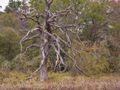
The image showcases the intricate and weathered surface of a standing dead oak tree trunk. The gray-brown wood exhibits deep grooves and crevices, reminiscent of an aged face with wrinkles and furrows. A small knot on the left side partially resembles an eye, featuring a dark center surrounded by lighter-colored rings. Below this "eye," a larger, rounder hole is visible, possibly a bird or animal nesting site. The tree's bark appears to have been stripped away in some areas, revealing the wood beneath. The overall texture of the surface is rough and rugged, with prominent ridges and grooves that suggest the passage of time. The image provides a detailed look at the natural beauty and character of an old oak tree, highlighting its unique features and textures. The standing dead oak has been weathered by decades or centuries of exposure to the elements. Its gray-brown coloration is likely due to the accumulation of dirt, moss, and lichen over time. The deep grooves and crevices on its surface are a testament to the tree's long history, with each line and curve telling a story of seasons come and gone. The image also hints at the tree's role as a habitat for various organisms. The small knot on the left side may have served as a nesting site for birds or insects, while the larger hole below could be a home for mammals or reptiles. The standing dead oak has become a haven for life, providing shelter and sustenance to those that inhabit its nooks and crannies. In conclusion, the image presents a captivating portrait of an old oak tree, showcasing its weathered surface, unique features, and potential habitats. Through this visual representation, we are reminded of the importance of preserving our natural environment and recognizing the intricate relationships between trees, animals, and the land they inhabit. – AI vision |
La textura de la madera de un roble muerto en pie (un trozo de árbol) en la Unidad Birch Creek del Parque Estatal Lake Somerville, Texas, el 26 de octubre del año 2024. La imagen muestra la superficie intrincada y erosionada de un tronco de roble muerto en pie. El color marrón grisáceo de la madera exhibe surcos profundos y grietas, evocando la apariencia de una cara envejecida con arrugas y surcos. Un nudo pequeño en el lado izquierdo recuerda parcialmente un ojo, que cuenta con un centro oscuro rodeado por anillos más claros. Por debajo de este "ojo", se ve un agujero más grande y redondeado, posiblemente un sitio de anidación de pájaros o animales. La corteza del árbol parece haberse desprendido en algunas áreas, dejando ver la madera que se encuentra debajo. La textura global de la superficie es rugosa y tosca, con crestas prominentes y surcos que sugieren el paso del tiempo. La imagen proporciona un detallado vistazo a la belleza natural y carácter de un viejo roble, resaltando sus características únicas y texturas. El roble muerto en pie ha sido erosionado por décadas o siglos de exposición a los elementos. Su coloración marrón grisáceo se debe probablemente a la acumulación de suciedad, musgo y líquenes con el tiempo. Los surcos profundos y las grietas en su superficie son un testimonio de la larga historia del árbol, con cada línea y curva contando una historia de estaciones que han pasado. La imagen también sugiere el rol del árbol como hábitat para varios organismos. El nudo pequeño en el lado izquierdo pudo haber servido de sitio de anidación para aves o insectos, mientras que el agujero más grande por debajo podría ser un hogar para mamíferos o reptiles. El roble muerto en pie ha convertido a su refugio en vida, proporcionando protección y sustento a aquellos que habitan sus rincones y grietas. En conclusión, la imagen presenta un retrato cautivador de un viejo roble, resaltando su superficie erosionada, características únicas y potenciales hábitats. A través de esta representación visual, somos recordados de la importancia de preservar nuestro medio ambiente natural y reconocer las relaciones intrincadas entre árboles, animales y la tierra que habitan. – Spanish translation |
Keyword variants
high resolution online digital collection
Somerville State Park picture
Lake Somerville State photo
Lone Star State
Lake Somerville SP
birch tree pics
United States
picture gallery
photo album
documentary photographs
daily pics
TX
travelogue
snapshots
sightseeing
photowalks
photoblog
graphic
fotografias
foto
brzoza
breza
birken
birke
birk
birchen
birche
birce
betula
beriozka
berioza
bereza
beorc
America