 |
| |||||||||||||||

| ||||||||||||||||


| Similar |   |
  |
  |
  |
  |
| |||||||||||||||||||||||||||
| |||||||||||||||||||||||||||
| 1996 1997 1998 1999 2000 2001 2002 2003 2004 2005 2006 2007 2008 2009 2010 2011 2012 2013 2014 2015 2016 2017 2018 2019 2020 2021 2022 2023 2024 2025 2026 | |||||||||||||||||||||||||||
| New version Slide Show Most Popular Full List Statistics Technical Details Home Page | |||||||||||||||||||||||||||
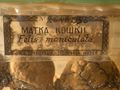
The pickled penis of a baby mammoth from Magadan in the Zoological Museum of Saint Petersburg, Russia is a fascinating specimen that offers a glimpse into the prehistoric past. This remarkable artifact was preserved through a process of pickling and is now on display for visitors to marvel at. The photograph was taken on June 11, 2014, capturing the intricate details of the delicate tissue. The baby mammoth's penis is a rare and unique specimen that provides valuable insights into the anatomy and biology of these magnificent creatures. – generated by AI |
The image depicts a specimen that appears to be an organ, likely a reproductive organ given its shape and size. The object is brownish-gray with visible wrinkles and folds throughout. It has no discernible hair or other external features. Given its size relative to the background of the photograph, it seems to be quite large. It's possible that this specimen may be an enlarged penis from an animal since it appears too large for a human organ. The texture suggests it could be made of some sort of material that has been preserved, as if someone had pickled or marinated it. This preservation method would likely remove the smell associated with rotting organic matter and preserve the coloration and texture. The fact that this specimen is labeled "pickled penis" in the caption implies that it was indeed treated by being submerged in a solution to prevent decay or decomposition, which would also explain its size. The image may have been taken at an angle to show off the object's texture as well as any notable features such as veins or other structures on the surface. The background of the photograph is a tan color with some darker spots that appear to be shadows cast by the specimen itself. There are no visible signs of other objects in the frame, which suggests that this image was taken for illustrative purposes rather than to show off any larger collection or context. Overall, based on its size and texture, it's likely that this is a pickled penis from an animal, possibly a baby mammoth given the location mentioned in the caption. The image provides a detailed view of the specimen and could be used for educational or scientific purposes. – AI vision |
Засоленный пенис детеныша мамонта из Магаданского зоологического музея, Санкт-Петербург, Россия, 11 июня 2014 года. На снимке изображен образец, который кажется органом, вероятно, репродуктивным органом в силу его формы и размера. Объект коричневато-серый со следами морщин и складок повсюду. У него нет заметных волосков или других внешних признаков. Учитывая его размер относительно фона фотографии, он кажется довольно большим. Вполне возможно, что этот образец может быть увеличенным пенисом животного, так как он кажется слишком большим для человеческого органа. Текстура предполагает, что он мог быть изготовлен из какого-то материала, который сохраняется, как если бы его мариновали или засолили. Этот способ сохранения, вероятно, удалял неприятный запах, связанный с гниющим органическим веществом, и сохранял цвет и текстуру. Надпись на фотографии "засоленный пенис" подразумевает, что он был обработан путем погружения в раствор для предотвращения гниения или разложения, что также объясняет его размер. Возможно, снимок был сделан под углом, чтобы показать текстуру объекта, а также любые примечательные детали, такие как вены или другие структуры на поверхности. Фон фотографии имеет бежевый цвет с более темными пятнами, которые кажутся тенью от самого экспоната. Не видно никаких признаков других объектов в кадре, что дает основания предположить, что это изображение было сделано в иллюстративных целях, а не для демонстрации более обширной коллекции или контекста. В общем, если судить по его размеру и текстуре, скорее всего, это засоленный пенис животного, возможно, детеныша мамонта, учитывая упоминание местонахождения в подписи к фотографии. Изображение показывает детальное изображение экспоната и может быть использовано в учебных или научных целях. – Russian translation |
| [+] | zoological |
Keyword variants
high resolution online digital collection
Zoological Museum scenery
St. Pete's
St. Petersburg images
Soviet Union
Sankt Peterburg
Saint-Petersbourg
Russian Federation
Rossiya foto
picture gallery
photo album
Leningrad fotosnimki
former USSR
documentary photographs
daily pics
Venemaa
Venaja
travelogue
SPb
snimki
snapshots
sightseeing
Ryssland
Rwsia
Ruthenia
Rusya
Rusujo
Russland
Russja
Russie
Russi
Ruslando
Rusland
Rusko
Rusio
Rusija
Rusii
Rusia
Roushie
Rosya
Rosland
Rosia
Roshia
Raseja
Piter
Pietari
photowalks
photoblog
Petrograd
Orussiya
Oroszorszag
Lenjingrad
graphic
fotografias
fotki
Errusia