 |
| |||||||||||||||||

| ||||||||||||||||||


| Similar | 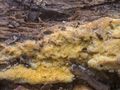  |
  |
  |
  |
  |
| |||||||||||||||||||||||||||||
| |||||||||||||||||||||||||||||
| 1996 1997 1998 1999 2000 2001 2002 2003 2004 2005 2006 2007 2008 2009 2010 2011 2012 2013 2014 2015 2016 2017 2018 2019 2020 2021 2022 2023 2024 2025 2026 | |||||||||||||||||||||||||||||
| New version Slide Show Most Popular Full List Statistics Technical Details Home Page | |||||||||||||||||||||||||||||
A close-up view of the yellow resupinate poria fungus growing on a decaying oak tree is captured in this photograph, taken on November 29, 2018, at the Kiwanis Nature Trail in College Station, Texas. The intricate details of the fungus's texture and color are visible, showcasing its unique features. – generated by AI |
The image presents a detailed close-up view of a yellow resupinate poria fungus growing on a decaying oak log situated on the Kiwanis Nature Trail in College Station, Texas. The photograph was taken by an amateur mycologist and naturalist named Robert F. Hiegel on November 29th, 2018. **Composition and Layout** The image is divided into two distinct layers: the upper layer consists of the decaying oak log, while the lower layer features a vibrant yellow resupinate poria fungus covering the entire surface of the rotting wood. The fungus exhibits a unique growth pattern characterized by small, tightly packed spores that resemble tiny teeth. **Color Palette** The color palette in this image is predominantly yellow, with subtle brown and gray undertones present throughout. This warm and inviting color scheme contributes to the overall aesthetic appeal of the photograph, making it an attractive representation of nature's beauty. **Lighting and Shadows** The lighting in the image appears to be natural, with the sun casting a gentle glow over the entire scene. The shadows cast by the fungus add depth and dimensionality to the composition, creating a visually appealing contrast between light and dark areas. **Background and Context** In the background of the photograph, several other decaying logs can be seen, providing context for the growth pattern of the yellow resupinate poria fungus. This suggests that the fungus is thriving in its natural environment, where it plays an important role in breaking down organic matter and recycling nutrients within the ecosystem. **Mycological Significance** From a mycological perspective, this image offers valuable insights into the biology and ecology of the yellow resupinate poria fungus. By examining the intricate details of its growth pattern and habitat, researchers can gain a better understanding of how these organisms interact with their environment and contribute to nutrient cycling processes. **Conclusion** In conclusion, the provided image is a captivating representation of nature's beauty and complexity. The close-up view of the yellow resupinate poria fungus growing on a decaying oak log showcases the intricate details of this organism's growth pattern and habitat. This photograph not only highlights the importance of preserving and protecting our natural environments but also serves as a valuable resource for mycologists seeking to understand more about these fascinating organisms. – AI vision |
La imagen presenta una vista detallada y en primer plano de un hongo amarillo resupinado creciendo sobre una raíz de roble podrido, ubicado en el sendero Kiwanis Nature Trail en College Station, Texas. La fotografía fue tomada por un micólogo aficionado y naturalista llamado Robert F. Hiegel el 29 de noviembre de 2018. **Composición y diseño** |
| [+] | rotting |
Keyword variants
high resolution online digital collection
Kiwanis Nature Trail photocapture
Berlin on the Brazos
Lone Star State
United States
picture gallery
photo album
documentary photographs
daily pics
conservative town
Brazos County
TX
travelogue
snapshots
sightseeing
photowalks
photoblog
graphic
fotografias
foto
Bryan
America
Aggieland