 |
| |||||||||||||||||

| ||||||||||||||||||


| Similar | 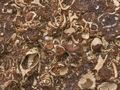  |
  |
  |
  |
  |
| |||||||||||||||||||||||||||||
| |||||||||||||||||||||||||||||
| 1996 1997 1998 1999 2000 2001 2002 2003 2004 2005 2006 2007 2008 2009 2010 2011 2012 2013 2014 2015 2016 2017 2018 2019 2020 2021 2022 2023 2024 2025 2026 | |||||||||||||||||||||||||||||
| New version Slide Show Most Popular Full List Statistics Technical Details Home Page | |||||||||||||||||||||||||||||
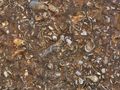
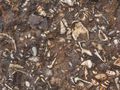
The Brazos River's Whiskey Bridge area, specifically along Highway 21 west of Bryan, Texas, features stunning orange sandstone formations with abundant fossils. This breathtaking landscape was captured on November 29, 2019. The unique geological features and ancient remains make for a fascinating sight, offering a glimpse into the region's rich history and natural beauty. – generated by AI |
The image shows a close-up view of orange sandstone containing many fossilized shells and other organic matter. The sandstone is brownish-orange with flecks of dark brown throughout; it appears very coarse-grained. The surface is littered with numerous tiny fossilized shells, which are mostly broken into fragments ranging from 1 to 5 mm in length. There are also several larger pieces that appear to be intact shells or partially eroded pieces. The sandstone has a rough texture and the grains have a pearly appearance, suggesting that they may contain calcium carbonate. The surface of the rock is irregular, with some areas having more shells than others. In some places, there are small patches of dark brown material visible on the surface of the stone, possibly representing plant fragments or other organic matter. Overall, the image suggests that this rock was formed in a marine environment where there were abundant shellfish, such as clams and mussels, which have been fossilized over time. The presence of partially eroded pieces indicates that some of these shells may have been subjected to erosion before being embedded into the sandstone. – AI vision |
Pizarra arenisca naranja con diversos fósiles cerca del puente Whiskey de Brazos River, en la carretera 21 hacia el oeste desde Bryan. Texas, 29 de noviembre de 2019. La imagen muestra una vista detallada de la pizarra arenisca naranja que contiene muchas conchas fosilizadas y otra materia orgánica. La pizarra arenisca es anaranjada pardusca con moteados marrones oscuros a lo largo; parece muy gruesa. La superficie está llena de numerosas pequeñas conchas fosilizadas, que en su mayoría están rotas en fragmentos de entre 1 y 5 mm de longitud. También hay varios pedazos más grandes que parecen ser conchas intactas o partes parcialmente erosionadas. La pizarra arenisca tiene una textura rugosa y los granos tienen un aspecto nacarado, lo que sugiere que pueden contener carbonato de calcio. La superficie de la roca es irregular, con algunas áreas teniendo más conchas que otras. En algunos lugares, hay pequeñas manchas de material marrón oscuro visible en la superficie de la piedra, posiblemente representando fragmentos de planta u otra materia orgánica. En general, la imagen sugiere que esta roca se formó en un entorno marino donde había abundantes caparazones, como berberechos y mejillones, que han sido fosilizados con el tiempo. La presencia de piezas parcialmente erosionadas indica que algunas de estas conchas pueden haber estado sujetas a la erosión antes de ser incrustadas en la pizarra arenisca. – Spanish translation |
| [+] | brazos river pictures | |
| [+] | whiskey bridge fossils | |
| [+] | sandstone |
Keyword variants
high resolution online digital collection
Whiskey Bridge photos
Lone Star State
Brazos River scenery
United States
picture gallery
photo album
documentary photographs
daily pics
TX
travelogue
snapshots
sightseeing
photowalks
photoblog
Hwy.
higway
graphic
fotografias
foto
America