 |
| |||||||||||||||||

| ||||||||||||||||||


| Similar | 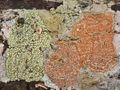  |
  |
  |
  |
  |
| |||||||||||||||||||||||||||||
| |||||||||||||||||||||||||||||
| 1996 1997 1998 1999 2000 2001 2002 2003 2004 2005 2006 2007 2008 2009 2010 2011 2012 2013 2014 2015 2016 2017 2018 2019 2020 2021 2022 2023 2024 2025 2026 | |||||||||||||||||||||||||||||
| New version Slide Show Most Popular Full List Statistics Technical Details Home Page | |||||||||||||||||||||||||||||
A diverse array of lichens and fungi can be found growing on the bark of a dry oak tree in Lick Creek Park, College Station, Texas. The photograph was captured on January 23, 2020, showcasing the intricate patterns and colors of these fascinating organisms. – generated by AI |
The image presents an intricate display of various lichens and fungi growing on the surface of a dry oak tree in Lick Creek Park, College Station, Texas. The photograph captures the vibrant colors and textures of these organisms, showcasing their diverse forms and patterns. **Key Features:** * **Color Palette:** The dominant colors visible in the image are shades of green, brown, gray, white, and orange. **Conclusion:** The image offers a detailed glimpse into the complex ecosystem supported by a single oak tree. It highlights the importance of considering not just individual organisms but also their interactions and interdependencies within an environment. The presence of lichens and fungi on this dry oak underscores the resilience and adaptability of life in even seemingly inhospitable conditions, demonstrating the fascinating diversity that can exist within a relatively small area. – AI vision |
Diversos líquenes y hongos en un roble seco en Lick Creek Park. College Station, Texas, 23 de enero del 2020. La imagen presenta una intrincada exhibición de diversos líquenes y hongos creciendo en la superficie de un roble seco en Lick Creek Park, College Station, Texas. La fotografía captura los vibrantes colores y texturas de estos organismos, mostrando sus formas y patrones diversos. **Características clave:** * **Paleta de colores:** Los colores dominantes visibles en la imagen son tonos de verde, marrón, gris, blanco y naranja. * Los matices verdes se deben probablemente a la presencia de líquenes o algas que contienen clorofila. * Los tonos marrones pueden indicar materia orgánica muerta o en descomposición. * Las manchas grises y blancas podrían ser indicativas del crecimiento de hongos u otras zonas con la corteza del árbol desnuda. * Las manchas naranjas pueden representar cuerpos fructíferos de hongos u otros organismos. * **Textura:** La superficie del roble exhibe una textura áspera y agrietada, que proporciona condiciones ideales para el crecimiento de líquenes y hongos. * Los agujeros en la corteza crean microhábitats que protegen a estos organismos de las duras condiciones ambientales. * **Distribución de organismos:** Los líquenes se encuentran dispersos por toda la imagen, con algunas áreas mostrando densos agrupamientos de crecimiento. También hay hongos presentes, posiblemente incluyendo hongos copa o hongos en forma de estructura, lo que contribuye a la diversidad de especies visibles en la fotografía. **Conclusión:** La imagen ofrece una mirada detallada al complejo ecosistema soportado por un único roble seco. Destaca la importancia de considerar no solo los organismos individuales sino también sus interacciones e interdependencias dentro del entorno. La presencia de líquenes y hongos en este roble seco subraya la resiliencia y adaptabilidad de la vida incluso bajo condiciones aparentemente inhóspitas, lo que demuestra la fascinante diversidad que puede existir dentro de un área relativamente pequeña. – Spanish translation |
| [+] | dry creek |
Keyword variants
Lick Creek Park color photograph
high resolution online digital collection
Berlin on the Brazos
Rock Prairie Rd
Lone Star State
Greens Prairie Road
United States
picture gallery
photo album
nature trails
Nature Park
documentary photographs
daily pics
conservative town
Brazos County
wildlife
TX
travelogue
snapshots
sightseeing
photowalks
photoblog
graphic
fotografias
foto
Bryan
America
Aggieland