 |
| |||||||||||||||||

| ||||||||||||||||||


| Similar | 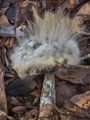  |
  |
  |
  |
  |
| |||||||||||||||||||||||||||||
| |||||||||||||||||||||||||||||
| 1996 1997 1998 1999 2000 2001 2002 2003 2004 2005 2006 2007 2008 2009 2010 2011 2012 2013 2014 2015 2016 2017 2018 2019 2020 2021 2022 2023 2024 2025 2026 | |||||||||||||||||||||||||||||
| New version Slide Show Most Popular Full List Statistics Technical Details Home Page | |||||||||||||||||||||||||||||
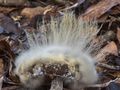
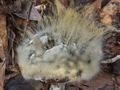
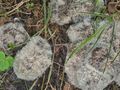
The Phycomyces blakesleeanus fungus grows on a decaying bolete mushroom in Lick Creek Park, College Station, Texas. This photograph was captured on September 23, 2020. The fungus's vibrant orange and yellow hues stand out against the drab surroundings, adding a splash of color to an otherwise dull scene. – generated by AI |
The image features a close-up of a Phycomyces blakesleeanus(?) fungus growing on top of a decaying bolete mushroom in Lick Creek Park, College Station, Texas. In the lower right corner of the photo, you can see the remains of the rotting bolete. The white mass at its center is likely to be the spore-bearing fruiting body of Phycomyces blakesleeanus(?) or another related species, which causes it to grow on top. The fungus appears as a fluffy, yellowish-white growth that covers most of the mushroom's surface. The coloration and texture suggest that the fungus is still actively producing spores. In the background, you can see some dry leaves and twigs scattered around the base of the bolete. This suggests that the fungus has been growing on the mushroom for a while, as it would have taken time to break down the organic matter in the surrounding environment. Overall, this image provides a fascinating glimpse into the complex relationships between fungi and their hosts in natural ecosystems. – AI vision |
El hongo Phycomyces blakesleeanus (?) en un bolete podrido en el Lick Creek Park. College Station, Texas, septiembre de 2020. La imagen muestra un primer plano de un hongo Phycomyces blakesleeanus(?) creciendo encima de un boleto en descomposición en el Lick Creek Park, College Station, Texas. En la esquina inferior derecha de la foto, se pueden ver los restos del boleto en proceso de descomposición. La masa blanca en su centro es probablemente el cuerpo fructífero portador de esporas de Phycomyces blakesleeanus(?) u otra especie relacionada, lo que hace que crezca encima. El hongo aparece como un desarrollo blanco y esponjoso de color amarillento que cubre la mayor parte de la superficie del boleto. La coloración y textura sugieren que el hongo aún está produciendo activamente esporas. En segundo plano, se pueden ver algunas hojas secas y ramitas dispersas alrededor de la base del boleto. Esto sugiere que el hongo ha estado creciendo en el seta durante un tiempo, ya que hubiera tardado tiempo en descomponer la materia orgánica en el entorno circundante. En general, esta imagen proporciona una fascinante visión de las complejas relaciones entre los hongos y sus anfitriones en los ecosistemas naturales. – Spanish translation |
Keyword variants
high resolution online digital collection
Lick Creek Park photo
Berlin on the Brazos
Rock Prairie Rd
Lone Star State
Greens Prairie Road
United States
picture gallery
photo album
nature trails
Nature Park
documentary photographs
daily pics
conservative town
Brazos County
wildlife
TX
travelogue
snapshots
sightseeing
photowalks
photoblog
graphic
fungi
fotografias
foto
Bryan
America
Aggieland