 |
| |||||||||||||||||

| ||||||||||||||||||


| Similar | 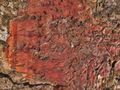  |
  |
  |
  |
  |
| |||||||||||||||||||||||||||||
| |||||||||||||||||||||||||||||
| 1996 1997 1998 1999 2000 2001 2002 2003 2004 2005 2006 2007 2008 2009 2010 2011 2012 2013 2014 2015 2016 2017 2018 2019 2020 2021 2022 2023 2024 2025 2026 | |||||||||||||||||||||||||||||
| New version Slide Show Most Popular Full List Statistics Technical Details Home Page | |||||||||||||||||||||||||||||
A vibrant orange-red lichen, known as bark rash or Pyrenula cruenta, adorns the weathered bark of an oak tree that has fallen along the Chinquapin Trail in Huntsville State Park, Texas. The photograph was captured on October 30, 2020, showcasing the intricate patterns and textures of this fascinating organism. – generated by AI |
The image shows a close-up of bark with red spots and cracks. The bark is light brown with large cracks and numerous small red blemishes. The lichen appears to be growing on the trunk of an oak tree that has fallen over. The bark rash lichen (Pyrenula cruenta) is a species of lichen that grows on trees, particularly oak and maple. It is characterized by its bright red or orange spots, which can cover large areas of the tree's bark. The lichen gets its name from the fact that it often appears as a "rash" or patchwork pattern on the bark. **Step 1: Identify the subject** The image shows a close-up of bark with red spots and cracks. The bark is light brown with large cracks and numerous small red blemishes. The lichen appears to be growing on the trunk of an oak tree that has fallen over. **Step 2: Describe the background** There does not appear to be any background in this image, as it is a close-up shot of the bark. **Step 3: Summarize the key features** The main feature of this image is the bright red spots on the bark, which are likely caused by the growth of the lichen. The cracks in the bark add texture and interest to the image, while the fallen oak tree trunk provides a sense of context for the scene. **Step 4: Analyze the composition** The composition of this image is simple yet effective. By focusing on a close-up shot of the bark, the photographer has been able to highlight the unique features of the lichen and create a visually striking image. The use of natural light adds depth and dimension to the image. **Step 5: Consider the context** The fact that the oak tree has fallen over suggests that it may have died or been damaged in some way. This could be due to disease, insect infestation, or environmental factors such as drought or extreme weather conditions. The presence of the lichen on the bark indicates that the tree is no longer alive and is now decomposing. **Step 6: Draw conclusions** Overall, this image provides a fascinating glimpse into the world of fungi and lichens. By highlighting the unique features of the Pyrenula cruenta lichen, the photographer has created an engaging and informative image that can be used to educate viewers about these organisms and their importance in ecosystems. – AI vision |
La liquen de la corteza (Pyrenula cruenta) en un roble caído del Chinquapin Trail en el Parque Estatal de Huntsville. Texas, 30 de octubre de 2020. La imagen muestra un primer plano de la corteza con manchas y grietas rojas. La corteza es marrón claro con grandes grietas y numerosas pequeñas manchas rojas. El lichen parece estar creciendo en el tronco de un roble que ha caído. El lichen de la corteza (Pyrenula cruenta) es una especie de líquen que crece en los árboles, particularmente robles y arces. Se caracteriza por sus manchas rojas brillantes, que pueden cubrir grandes áreas de la corteza del árbol. El lichen toma su nombre porque a menudo aparece como una "erupción" o diseño de parches en la corteza. **Paso 1: Identificar el sujeto** La imagen muestra un primer plano de la corteza con manchas y grietas rojas. La corteza es marrón claro con grandes grietas y numerosas pequeñas manchas rojas. El lichen parece estar creciendo en el tronco de un roble que ha caído. **Paso 2: Describir el fondo** No hay fondo aparente en esta imagen, ya que se trata de un primer plano de la corteza. **Paso 3: Resumir las características clave** La principal característica de esta imagen son las manchas rojas brillantes en la corteza, probablemente causadas por el crecimiento del líquen. Las grietas en la corteza añaden textura e interés al retrato, mientras que el tronco caído del roble proporciona un contexto para la escena. **Paso 4: Analizar la composición** La composición de esta imagen es simple pero efectiva. Al enfocarse en un primer plano de la corteza, el fotógrafo ha podido resaltar las características únicas del líquen y crear una imagen visualmente atractiva. El uso de luz natural agrega profundidad y dimensión a la imagen. **Paso 5: Tener en cuenta el contexto** El hecho de que el roble haya caído sugiere que podría haber muerto o estar dañado de alguna manera. Esto podría ser debido a una enfermedad, una plaga de insectos o factores ambientales como la sequía o las condiciones meteorológicas extremas. La presencia del líquen en la corteza indica que el árbol ya no está vivo y ahora se está descomponiendo. **Paso 6: Extraer conclusiones** En general, esta imagen brinda una visión fascinante del mundo de los hongos y los líquenes. Al resaltar las características únicas del Pyrenula cruenta, el fotógrafo crea un retrato atrayente e informativo que puede educar a los espectadores sobre estos organismos y su importancia en los ecosistemas. – Spanish translation |
| [+] | oak bark |
Keyword variants
high resolution online digital collection
Huntsville State Park snapshot
Chinquapin Trail online image
Lone Star State
United States
picture gallery
photo album
Huntsville SP
documentary photographs
daily pics
TX
travelogue
snapshots
sightseeing
photowalks
photoblog
graphic
fotografias
foto
America