 |
| |||||||||||||||||

| ||||||||||||||||||


| Similar | 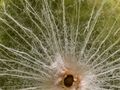  |
  |
  |
  |
  |
| |||||||||||||||||||||||||||||
| |||||||||||||||||||||||||||||
| 1996 1997 1998 1999 2000 2001 2002 2003 2004 2005 2006 2007 2008 2009 2010 2011 2012 2013 2014 2015 2016 2017 2018 2019 2020 2021 2022 2023 2024 2025 2026 | |||||||||||||||||||||||||||||
| New version Slide Show Most Popular Full List Statistics Technical Details Home Page | |||||||||||||||||||||||||||||
While strolling along the Caney Creek Trail, specifically the Little Lake Creek Loop Trail in Sam Houston National Forest, I came across an intriguing sight - a dissected inflated oak gall on April 10, 2021. This peculiar growth was observed in the northern region of Montgomery, Texas. – generated by AI |
The image depicts a dissected inflated oak gall, showcasing its intricate details. The gall is situated on a wooden surface, likely a table or board, which provides a natural and rustic backdrop for the specimen. **Key Features:** * **Shape and Size:** The gall has an irregularly shaped form with a rough, bumpy texture, measuring approximately 2-3 inches (5-7.5 cm) in diameter. **Overall Impression:** The image presents a fascinating example of plant-insect interactions, highlighting the complex relationships between organisms in ecosystems. The dissected inflated oak gall offers a unique glimpse into the internal structure and composition of these intriguing growths, demonstrating the intricate processes that occur when insects induce plant tissue to form galls as protection or food sources. – AI vision |
Ha disecado una roña de acebo hinchada en el Camino de Caney Creek (Camino del bucle Little Lake Creek) en el Bosque Nacional Sam Houston al norte de Montgomery, Texas, el 10 de abril de 2021. La imagen muestra una roña de acebo disecada, mostrando sus detalles intrincados. La roña está situada en una superficie de madera, probablemente una mesa u tabla, que proporciona un fondo natural y rústico para el espécimen. **Características clave:** * **Forma y tamaño:** La roña tiene una forma irregular con una textura áspera y bultosa, midiendo aproximadamente de 2 a 3 pulgadas (5-7,5 cm) de diámetro. **Color:** Muestra un tono verde amarillento pálido, que puede ser debido a la presencia de clorofila u otros pigmentos dentro del tejido. **Dissección:** La roña se ha cortado por su ecuador, revelando una estructura fibrosa blanca distintiva que recuerda un patrón similar a una red. Esta estructura está probablemente compuesta de células y fibras vegetales que han crecido alrededor de una larva de insecto, como una avispa o mosca, lo que provocó la formación de la roña. **Características superficiales:** La superficie de la roña presenta pequeños bultos redondeados o protuberancias, posiblemente representando sitios donde se produjo un crecimiento o desarrollo adicional. **Impresión general:** La imagen presenta un ejemplo fascinante de interacciones entre plantas e insectos, destacando las complejas relaciones entre organismos en los ecosistemas. La roña disecada de acebo hinchado ofrece una visión única de la estructura interna y la composición de estos crecimientos intrigantes, lo que demuestra los procesos complejos que ocurren cuando los insectos inducen el tejido vegetal para formar roñas como protección o fuentes de alimentación. – Spanish translation |
Keyword variants
high resolution online digital collection
Lake Creek Loop picture
Houston National Forest photos
Creek Loop Trail photo
Caney Creek Trail photocapture
Lone Star State
Little Lake images
United States
picture gallery
photo album
documentary photographs
daily pics
TX
travelogue
snapshots
sightseeing
photowalks
photoblog
littel
graphic
fotografias
foto
America