 |
| |||||||||||||||||

| ||||||||||||||||||


| Similar | 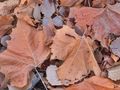  |
  |
  |
  |
  |
| |||||||||||||||||||||||||||||
| |||||||||||||||||||||||||||||
| 1996 1997 1998 1999 2000 2001 2002 2003 2004 2005 2006 2007 2008 2009 2010 2011 2012 2013 2014 2015 2016 2017 2018 2019 2020 2021 2022 2023 2024 2025 2026 | |||||||||||||||||||||||||||||
| New version Slide Show Most Popular Full List Statistics Technical Details Home Page | |||||||||||||||||||||||||||||
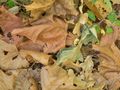
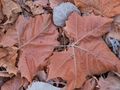
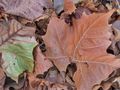
On a warm summer day in August, the dried curled leaves of sycamore trees in Lick Creek Park, College Station, Texas, were captured in a photograph. The image showcases the intricate patterns and textures of the leaves, which have turned golden brown with age. The delicate curls and ridges of the leaves add a touch of elegance to the otherwise simple landscape, creating a visually striking scene. Taken on August 7, 2022, this photograph preserves a moment in time, frozen forever in the beauty of nature. – generated by AI |
The image depicts a collection of dry, brown leaves that have fallen from trees in Lick Creek Park, College Station, Texas. These leaves are curled and appear to be those of sycamore trees (Platanus occidentalis). They are scattered throughout the ground, with some overlapping each other. Sycamores produce large, broad leaves and can grow up to 100 feet tall. Their bark is light gray or tan in color and becomes rougher with age. The tree produces clusters of small flowers that develop into samaras (winged seeds) which are dispersed by the wind. The image provides a close-up view of the individual leaves, showcasing their texture and detail. Overall, the image captures a moment in nature where the changing seasons have caused the sycamore trees to shed their leaves, leaving behind a carpet of dry, brown foliage on the forest floor. – AI vision |
Hojas rizadas secas de sicómoro en Lick Creek Park. College Station, Texas, el 7 de agosto del 2022. La imagen muestra una colección de hojas marrones secas que han caído de los árboles en Lick Creek Park, College Station, Texas. Estas hojas están rizadas y parecen ser las de árboles de sicómoro (Platanus occidentalis). Están esparcidas por el suelo, con algunas superponiéndose unas a otras. Los sicomoros producen hojas grandes y anchas y pueden crecer hasta los 100 pies de altura. Su corteza es de color gris claro o marrón y se vuelve más gruesa con el tiempo. El árbol produce racimos de pequeñas flores que se desarrollan en samaras (semillas aladas) que se dispersan por el viento. La imagen muestra una vista cercana de las hojas individuales, mostrando su textura y detalle. En general, la imagen captura un momento en la naturaleza donde los cambios de estación han causado que los árboles de sicómoro pierdan sus hojas, dejando atrás una alfombra de foliaje seco y marrón en el suelo del bosque. – Spanish translation |
Keyword variants
high resolution online digital collection
Lick Creek Park photo
Berlin on the Brazos
Rock Prairie Rd
Lone Star State
Greens Prairie Road
American sycamore photographs
United States
Platanus occidentalis
picture gallery
photo album
nature trails
Nature Park
massive tree
gewone esdoorn
documentary photographs
daily pics
conservative town
Brazos County
American plane
wildlife
vuorivaahtera
TX
travelogue
sykomorlonn
sycomore
snapshots
sightseeing
sicomoro
platano
Platane
Platanaceae
photowalks
photoblog
jawor
graphic
fotografias
foto
firavuninciri
cynar
Buttonwood
Bryan
Bergahorn
America
Aggieland