 |
| |||||||||||||||

| ||||||||||||||||


| Similar |   |
  |
  |
  |
  |
| |||||||||||||||||||||||||||
| |||||||||||||||||||||||||||
| 1996 1997 1998 1999 2000 2001 2002 2003 2004 2005 2006 2007 2008 2009 2010 2011 2012 2013 2014 2015 2016 2017 2018 2019 2020 2021 2022 2023 2024 2025 2026 | |||||||||||||||||||||||||||
| New version Slide Show Most Popular Full List Statistics Technical Details Home Page | |||||||||||||||||||||||||||
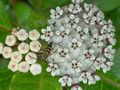
The underside of a jewel beetle (Buprestidae) photographed in the Caney Creek section of the Lone Star Hiking Trail in Sam Houston National Forest, located north of Montgomery, Texas, on April 30, 2020, showcases its intricate and vibrant patterns. – generated by AI |
The image presents a detailed view of the underside of a jewel beetle (Buprestidae) captured from Caney Creek section of Lone Star Hiking Trail in Sam Houston National Forest north from Montgomery, Texas, on April 30, 2020. **Visual Inspection** Upon examining the image, it becomes apparent that the beetle is positioned with its ventral surface facing upwards. The photograph primarily focuses on this side of the insect, providing a clear view of its body structure and features. The overall appearance of the beetle suggests that it may be a species of the family Buprestidae. This conclusion is based on the distinctive shape of the elytra (wing covers), which are characteristic of beetles in this family. **Additional Details** Several other features can also be observed in the image, including: * The presence of small hairs or setae on the beetle's body **Conclusion** In summary, the image provides a detailed view of the underside of a jewel beetle (Buprestidae) captured from Caney Creek section of Lone Star Hiking Trail in Sam Houston National Forest north from Montgomery, Texas, on April 30, 2020. The photograph highlights the distinctive features of this insect, including its elytra and body shape, which are characteristic of beetles in the family Buprestidae. – AI vision |
El lado inferior de un escarabajo joya (Buprestidae) tomado desde la sección Caney Creek del Sendero para excursionistas Lone Star en el Bosque Nacional Sam Houston al norte de Montgomery. Texas, 30 de abril de 2020. La imagen presenta una vista detallada del lado inferior de un escarabajo joya (Buprestidae) capturado desde la sección Caney Creek del Sendero para excursionistas Lone Star en el Bosque Nacional Sam Houston al norte de Montgomery, Texas, el 30 de abril de 2020. **Inspección visual** Al examinar la imagen, resulta evidente que el escarabajo está posicionado con su superficie ventral orientada hacia arriba. La fotografía se centra principalmente en este lado del insecto, proporcionando una vista clara de su estructura y características corporales. El aspecto general del escarabajo sugiere que puede tratarse de una especie de la familia Buprestidae. Esta conclusión se basa en la forma distintiva de las élitres (cubiertas alares), que son características de los escarabajos en esta familia. **Detalles adicionales** También pueden observarse varios otros detalles en la imagen, incluyendo: * La presencia de pequeños pelos o setae sobre el cuerpo del escarabajo * Una serie de líneas finas u ondulaciones a lo largo de la longitud de las élitres * Un patrón distintivo de coloración o modelado en el tórax y abdomen **Conclusión** En resumen, la imagen proporciona una vista detallada del lado inferior de un escarabajo joya (Buprestidae) capturado desde la sección Caney Creek del Sendero para excursionistas Lone Star en el Bosque Nacional Sam Houston al norte de Montgomery, Texas, el 30 de abril de 2020. La fotografía destaca las características distintivas de este insecto, incluyendo su forma de élitres y cuerpo, que son características de los escarabajos en la familia Buprestidae. – Spanish translation |
| [+] | texas beetles | |
| [+] | beetle |
Keyword variants
Houston National Forest picture gallery
high resolution online digital collection
Star Hiking Trail photo
Lone Star State
United States
photo album
documentary photographs
daily pics
TX
travelogue
snapshots
sightseeing
photowalks
photoblog
graphic
fotografias
foto
America