 |
| |||||||||||||||

| ||||||||||||||||


| Similar |   |
  |
  |
  |
  |
| |||||||||||||||||||||||||||
| |||||||||||||||||||||||||||
| 1996 1997 1998 1999 2000 2001 2002 2003 2004 2005 2006 2007 2008 2009 2010 2011 2012 2013 2014 2015 2016 2017 2018 2019 2020 2021 2022 2023 2024 2025 2026 | |||||||||||||||||||||||||||
| New version Slide Show Most Popular Full List Statistics Technical Details Home Page | |||||||||||||||||||||||||||
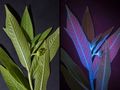
The image presents a comparative analysis of a Bolete mushroom, Tylopilus, under two distinct light conditions: regular daylight and ultraviolet (UV-A) blacklight illumination. The top photograph captures the mushroom's appearance in natural lighting, while the bottom image showcases its reaction to UV-A blacklight. **Mushroom Appearance** * **Cap:** The cap exhibits a yellow-brown color with darker brown striations running along its edge. **Daylight vs. UV-A Blacklight Comparison** * **Daylight:** Under regular daylight, the mushroom's cap displays a uniform yellow-brown hue with darker brown striations along its edge. **Conclusion** The image effectively illustrates the contrasting effects of regular daylight and UV-A blacklight on the appearance of the Bolete mushroom, Tylopilus. The use of UV-A blacklight reveals additional details about the mushroom's morphology, including the presence of dark spots on its cap surface. This visual comparison highlights the importance of considering multiple lighting conditions when examining biological specimens to gain a comprehensive understanding of their characteristics. – AI vision |
El hongo Bolete Tylopilus, cuando se expone a la luz del día regular y también cuando es iluminado por una luz negra ultravioleta (UV-A) de 365 nm en el Lick Creek Park. College Station, Texas, 3 de septiembre de 2024. La imagen presenta un análisis comparativo de un hongo Bolete, Tylopilus, bajo dos condiciones de luz distintas: la luz del día regular e iluminación con luz negra ultravioleta (UV-A). La fotografía superior captura el aspecto del hongo en iluminación natural, mientras que la imagen inferior muestra su reacción a la luz negra UV-A. **Aspeto del Hongo** * **Tapa:** La tapa exhibe un color marrón amarillento con rayas marrones más oscuras que corren a lo largo de su borde. * **Tallo:** El tallo es blanco y delgado, estrechándose hacia la base donde se une a la tapa. |
Keyword variants
high resolution online digital collection
Lick Creek Park images
Berlin on the Brazos
Rock Prairie Rd
Lone Star State
Greens Prairie Road
United States
picture gallery
photo album
nature trails
Nature Park
documentary photographs
daily pics
conservative town
Brazos County
wildlife
TX
travelogue
snapshots
sightseeing
photowalks
photoblog
graphic
fungus
fungi
fotografias
foto
Bryan
America
Aggieland