 |
| |||||||||||||||

| ||||||||||||||||


| Similar |   |
  |
  |
  |
  |
| |||||||||||||||||||||||||||
| |||||||||||||||||||||||||||
| 1996 1997 1998 1999 2000 2001 2002 2003 2004 2005 2006 2007 2008 2009 2010 2011 2012 2013 2014 2015 2016 2017 2018 2019 2020 2021 2022 2023 2024 2025 2026 | |||||||||||||||||||||||||||
| New version Slide Show Most Popular Full List Statistics Technical Details Home Page | |||||||||||||||||||||||||||
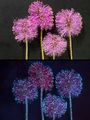
The image presents a striking comparison between the appearance of Sumpweed (Iva annua) under normal daylight and when illuminated by a 365 nm ultraviolet (UV-A) blacklight. The photograph is divided into two sections, with the left side showcasing the plant's natural appearance in regular daylight and the right side highlighting its unique features when exposed to UV-A light. **Left Side: Sumpweed Under Regular Daylight** * **Plant Appearance:** The Sumpweed plant exhibits a vibrant green coloration, characteristic of healthy foliage. **Right Side: Sumpweed Under UV-A Blacklight** * **Plant Appearance:** When illuminated by the 365 nm UV-A blacklight, the plant undergoes a transformation. The green coloration deepens and becomes more intense, accentuating the intricate details of the leaves. **Comparison and Observations** * **Coloration:** The most notable difference between the two images is the change in coloration. Under UV-A light, the plant's green color deepens and becomes more vibrant. In conclusion, this image effectively illustrates the distinct effects of UV-A light on plant appearance. The comparison between the two images provides valuable insights into how different wavelengths of light can influence our perception of plant characteristics. – AI vision |
La sumpweed (Iva annua) cuando se expone a la luz del día habitual y también cuando se ilumina con una luz negra ultravioleta de 365 nm en Wolf Pen Creek Park. College Station, Texas, 4 de septiembre de 2024. La imagen presenta una sorprendente comparación entre el aspecto de la sumpweed (Iva annua) bajo la luz del día normal y cuando se ilumina con una luz negra ultravioleta de 365 nm. La fotografía está dividida en dos partes, con el lado izquierdo mostrando el aspecto natural de la planta bajo la luz diurna habitual y el lado derecho resaltando sus características únicas cuando se expone a la luz ultravioleta-A. **Lado Izquierdo: sumpweed Bajo Luz Diurna Habitual** * **Aspecto de las Plantas:** La planta sumpweed presenta un color verde vibrante, característico del follaje sano. **Estructura de las Hojas:** Las hojas son delgadas y alargadas, con una textura lisa que refleja el entorno circundante. **Flores:** Son visibles pequeñas flores amarillentas en los extremos de los tallos, lo que aumenta la estética general. **Lado Derecho: sumpweed Bajo Luz Ultravioleta-A** * **Aspecto de las Plantas:** Cuando se ilumina con una luz negra ultravioleta de 365 nm, la planta sufre una transformación. El color verde se intensifica y profundiza, acentuando los detalles intrincados de las hojas. **Estructura de las Hojas:** Las hojas parecen haber desarrollado un brillo sutil, lo que sugiere un aumento en el contenido de humedad o una respuesta a la luz ultravioleta. **Flores:** Las flores amarillentas permanecen visibles pero toman un tono ligeramente diferente, posiblemente debido a la mayor visibilidad proporcionada por la luz ultravioleta. **Comparación y Observaciones** * **Coloración:** La diferencia más notable entre las dos imágenes es el cambio en la coloración. Bajo la luz ultravioleta-A, la planta profundiza su verde y se vuelve más vibrante. * **Textura:** Las hojas parecen ser más suaves y reflejan mejor bajo la luz diurna habitual, pero desarrollan un brillo sutil cuando se exponen a la luz ultravioleta-A. * **Visibilidad de las Flores:** Aunque las flores permanecen visibles en ambas imágenes, su aspecto es alterado ligeramente por la luz ultravioleta. En conclusión, esta imagen ilustra efectivamente los distintos efectos de la luz ultravioleta-A sobre el aspecto de las plantas. La comparación entre las dos imágenes proporciona insights valiosos sobre cómo diferentes longitudes de onda de luz pueden influir en nuestra percepción de las características de las plantas. – Spanish translation |
Keyword variants
high resolution online digital collection
Pen Creek Park photograph
Berlin on the Brazos
Lone Star State
United States
picture gallery
photo album
documentary photographs
daily pics
conservative town
Brazos County
TX
travelogue
snapshots
sightseeing
photowalks
photoblog
graphic
fotografias
foto
Bryan
America
Aggieland