 |
| |||||||||||||||

| ||||||||||||||||


| Similar | 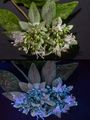  |
  |
  |
  |
  |
| |||||||||||||||||||||||||||
| |||||||||||||||||||||||||||
| 1996 1997 1998 1999 2000 2001 2002 2003 2004 2005 2006 2007 2008 2009 2010 2011 2012 2013 2014 2015 2016 2017 2018 2019 2020 2021 2022 2023 2024 2025 2026 | |||||||||||||||||||||||||||
| New version Slide Show Most Popular Full List Statistics Technical Details Home Page | |||||||||||||||||||||||||||
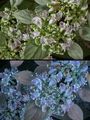
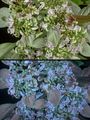
The image presents two photographs of mountain mint flowers, showcasing their appearance under regular daylight and when illuminated by a 365 nm ultraviolet (UV-A) blacklight. **Photograph 1: Regular Daylight** * The photograph at the top depicts the mountain mint flower in its natural state, with leaves and stems visible. **Photograph 2: UV-A Blacklight Illumination** * In contrast, the photograph at the bottom displays the same mountain mint flower illuminated by a 365 nm ultraviolet (UV-A) blacklight. **Key Observations** * The use of a 365 nm UV-A blacklight reveals previously invisible patterns on the mountain mint flower's foliage, providing new insights into its structure and biology. |
La menta de montaña (Pycnanthemum tenuifolium) cuando se expone a la luz del día regular, así como también cuando está iluminada por una lámpara negra ultravioleta de 365 nm del Sendero de Richards Loop en el Bosque Nacional Sam Houston cerca de Montgomery. Texas, septiembre de 2024. La imagen presenta dos fotografías de las flores de menta de montaña, mostrando su apariencia bajo luz regular del día y cuando se ilumina con una lámpara negra ultravioleta (UV-A) de 365 nm. **Fotografía 1: Luz Regular del Día** * La fotografía en la parte superior muestra la flor de menta de montaña en su estado natural, con las hojas y tallos visibles. * El follaje de la planta aparece relativamente sin rasgos notables o patrones que destacan bajo condiciones normales de iluminación. **Fotografía 2: Iluminación con Lámpara Negra UV-A** * En contraste, la fotografía en la parte inferior muestra la misma flor de menta de montaña iluminada por una lámpara negra ultravioleta (UV-A) de 365 nm. * Bajo esta fuente de luz especializada, el follaje de la planta exhibe un patrón sutil pero distintivo de tonos morados y azules, particularmente evidente en las hojas y tallos. * Este fenómeno se debe probablemente a la presencia de pigmentos fluorescentes u otros compuestos dentro de la planta que responden a la radiación UV-A. **Observaciones Clave** * El uso de una lámpara negra UV-A de 365 nm revela patrones previamente invisibles en el follaje de la menta de montaña, proporcionando nuevos conocimientos sobre su estructura y biología. * Esta técnica puede ser útil para estudiar las interacciones de la planta con su entorno o identificar posibles aplicaciones terapéuticas. – Spanish translation |
Keyword variants
Richards Loop Trail photo capture
high resolution online digital collection
Houston National Forest photowalks
Lone Star State
United States
picture gallery
photo album
documentary photographs
daily pics
TX
travelogue
snapshots
sightseeing
photoblog
montain
graphic
fotografias
foto
America