 |
| |||||||||||||||||

| ||||||||||||||||||


| Similar |   |
  |
  |
  |
  |
| |||||||||||||||||||||||||||||
| |||||||||||||||||||||||||||||
| 1996 1997 1998 1999 2000 2001 2002 2003 2004 2005 2006 2007 2008 2009 2010 2011 2012 2013 2014 2015 2016 2017 2018 2019 2020 2021 2022 2023 2024 2025 2026 | |||||||||||||||||||||||||||||
| New version Slide Show Most Popular Full List Statistics Technical Details Home Page | |||||||||||||||||||||||||||||
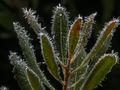
The southern wax myrtle, also known as bayberry or Morella cerifera, is a shrub that bears green fruits in Lick Creek Park, College Station, Texas. The photograph was captured on August 7, 2018. Its glossy, dark green leaves and round, waxy berries make it an attractive addition to the park's landscape. – generated by AI |
The image depicts a close-up of the Southern wax myrtle (bayberry, Morella cerifera, Myrica cerifera) plant. The branch is brown and has many small green fruits that are round and fuzzy with a circular opening at the top, resembling tiny pom-poms. The background features leaves from other branches of the same tree. The Southern wax myrtle (bayberry, Morella cerifera, Myrica cerifera) is native to Texas and is also known as candleberry or sweet bayberry. It is a deciduous shrub or small tree that grows up to 15 feet tall, with grayish-brown bark. The leaves are elliptical in shape, 1-3 inches long, and have a pointed tip. They are dark green on top and lighter underneath. The Southern wax myrtle (bayberry, Morella cerifera, Myrica cerifera) produces small white or pinkish flowers in the spring, which are followed by red berries that turn brown as they ripen. These berries are an important food source for many birds, including robins, blue jays, and cedar waxwings. In terms of uses, the Southern wax myrtle (bayberry, Morella cerifera, Myrica cerifera) has several practical applications: 1. **Candle production**: The waxy coating on its leaves and stems can be used to make candles. Overall, the Southern wax myrtle (bayberry, Morella cerifera, Myrica cerifera) is a versatile plant with multiple uses beyond its aesthetic appeal. – AI vision |
Miércola de cera del sur (bayberry, Morella cerifera, Myrica cerifera) con frutos verdes en Lick Creek Park. College Station, Texas, 7 de agosto de 2018. La imagen muestra un primer plano de la planta de Miércola de cera del sur (bayberry, Morella cerifera, Myrica cerifera). El tallo es marrón y tiene muchas pequeñas bayas verdes que son redondas y peludas con una abertura circular en la parte superior, parecidas a mini pom-poms. El fondo presenta hojas de otras ramas del mismo árbol. La Miércola de cera del sur (bayberry, Morella cerifera, Myrica cerifera) es nativa de Texas y también se conoce como mora de vela o bayas dulces. Es un arbusto caducifolio o árbol pequeño que alcanza los 15 pies de altura, con corteza marrón grisáceo. Las hojas son de forma elíptica, miden entre 1-3 pulgadas de largo y tienen una punta puntiaguda. Son verde oscuro en la parte superior y más claras en la inferior. La Miércola de cera del sur (bayberry, Morella cerifera, Myrica cerifera) produce pequeñas flores blancas o rosadas en primavera, a las que le siguen bayas rojas que se vuelven marrones a medida que maduran. Estas bayas son una importante fuente de alimento para muchos pájaros, como los robins, los zorzales y los reinitas del cedro. En términos de usos, la Miércola de cera del sur (bayberry, Morella cerifera, Myrica cerifera) tiene varias aplicaciones prácticas: |
| [+] | southern wax myrtle | |
| [+] | texas fruits | |
| [+] | myrica cerifera |
Keyword variants
high resolution online digital collection
Lick Creek Park photo
Berlin on the Brazos
Rock Prairie Rd
Lone Star State
Greens Prairie Road
United States
picture gallery
photo album
nature trails
Nature Park
documentary photographs
daily pics
conservative town
Brazos County
wildlife
TX
travelogue
snapshots
sightseeing
photowalks
photoblog
graphic
fotografias
foto
Bryan
America
Aggieland