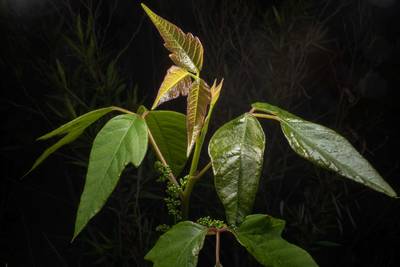
Early spring growth of Berchemia scandens, commonly known as Alabama supplejack or rattan vine. The backlit perspective isolates the young foliage against a dark background, highlighting the bright, translucent green of the newly emerged leaves. At this time of year, these native vines are actively putting out fresh growth as they begin their seasonal climb through the local understory. Lick Creek Park. College Station, Texas, March 25, 2026  Leaves of eastern poison ivy (Toxicodendron radicans) in Wolf Pen Creek Park. College Station, Texas, April 19, 2020  A pair of fresh, newly emerged leaves from a rusty blackhaw viburnum (Viburnum rufidulum). The image was captured with strong backlighting against a completely black background, which effectively isolates the foliage and acts like an x-ray, illuminating the intricate internal structure of the plant. This bright, glowing green display highlights the vigorous seasonal flush typical of native Texas understory trees breaking dormancy in the spring. Lick Creek Park. College Station, Texas, March 25, 2026  Green leaves of eastern poison ivy (Toxicodendron radicans) in Wolf Pen Creek Park. College Station, Texas, April 19, 2020  Eastern poison ivy (Toxicodendron radicans) in Wolf Pen Creek Park. College Station, Texas, March 19, 2020  Eastern poison ivy (Toxicodendron radicans) in Wolf Pen Creek Park. College Station, Texas, March 24, 2019  Young leaves of eastern poison ivy (Toxicodendron radicans) in Washington-on-the-Brazos State Historic Site. Washington, Texas, March 13, 2020  Young leaves of eastern poison ivy (Toxicodendron radicans) in Washington-on-the-Brazos State Historic Site. Washington, Texas, March 17, 2019  Eastern poison ivy (Toxicodendron radicans) in Wolf Pen Creek Park. College Station, Texas, April 19, 2020  Blooming eastern poison ivy (Toxicodendron radicans) in Wolf Pen Creek Park. College Station, Texas, April 19, 2020 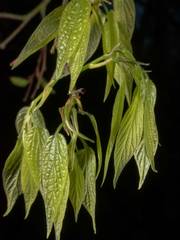 Emerging young leaves of hackberry in Wolf Pen Creek Park. College Station, Texas, March 18, 2026  Flowers of poison ivy (Toxicodendron radicans) in Wolf Pen Creek Park. College Station, Texas, May 1, 2019  Shoot of eastern poison ivy (Toxicodendron radicans) in Washington-on-the-Brazos State Historic Site. Washington, Texas, March 17, 2019  Young plants of eastern poison ivy (Toxicodendron radicans) on Four Notch Loop Trail of Sam Houston National Forest near Huntsville. Texas, March 23, 2019  This cross-section of a Tomatillo (Mexican husk tomato, Physalis philadelphica) reveals its internal structure under two different lighting conditions. Top Image (Visible Light): The fruit is a two-carpellate berry, which means it is divided into two main internal chambers (locules) filled with seeds. One can see the fleshy placenta in the center where the small, flat, yellowish seeds are attached. The entire fruit is enclosed in a papery, green husk (calyx) that has expanded to cover the berry as it matured. Bottom Image (UV Fluorescence): Under ultraviolet light, the tomatillo displays a striking fluorescence. The bluish-white glow in the center is likely due to phenolic compounds or other metabolites common in plant tissues that fluoresce under UV. The outer ring glows a distinct orange-red. This is characteristic of chlorophyll fluorescence. College Station, Texas, November 6, 2025  This composite image documents four stems of Hedeoma hispida (Rough False Pennyroyal) demonstrating the plant s appearance under two different lighting conditions against a dark background. The top panel shows the specimens under standard white light. The stems feature opposite, linear leaves and are covered in fine, bristly hairs, giving the plant its "rough" descriptor. Clusters of tiny, tubular, purplish-blue flowers emerge from the leaf axils along the upper portions of the stems, nestled within spiky, bristly calyces. The overall coloration is a vibrant, natural green with delicate violet floral accents. The bottom panel reveals the same four specimens illuminated by a 365 nm ultraviolet (UV-A) blacklight. Under UV excitation, the plant exhibits striking fluorescence. The previously purplish-blue flowers fluoresce a brilliant, vivid pinkish-red, while the green stems, leaves, and bristly hairs emit a cool, icy blue-white glow. This stark contrast highlights the complex photochemical properties of the plant tissues, transforming the subtle daytime appearance into a dramatic, high-contrast display. College Station, Texas, April 30, 2026 Blooming Rough False Pennyroyal (Hedeoma hispida) both in natural light and under 365 nm ultraviolet (UV-A) blacklight collected on a lawn at crossing of Holleman Drive and Dartmouth Street. College Station, Texas, April 30, 2026  Reddish young leaves of poison ivy (Toxicodendron radicans) in Washington-on-the-Brazos State Historic Site. Washington, Texas, July 31, 2021  Fresh shoot of poison ivy in Bee Creek Park. College Station, Texas, March 20, 2026  Eastern poison ivy (Toxicodendron radicans) in Big Creek Scenic Area of Sam Houston National Forest. Shepherd, Texas, March 10, 2019  Shoot of poison ivy in Wolf Pen Creek Park. College Station, Texas, March 18, 2026  Shoot of poison ivy (Toxicodendron radicans) on Caney Creek section of Lone Star Hiking Trail in Sam Houston National Forest near Huntsville. Texas, March 16, 2019 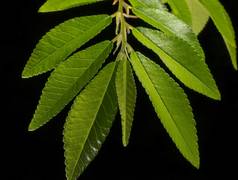 Young leaves of a small elm in Wolf Pen Creek Park. College Station, Texas, March 18, 2026 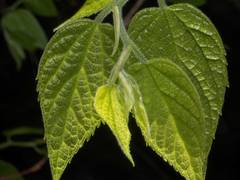 Young leaves of hackberry in Wolf Pen Creek Park. College Station, Texas, March 18, 2026  Young leaves on eastern cottonwood (Populus deltoides) in Wolf Pen Creek Park. College Station, Texas, March 19, 2020 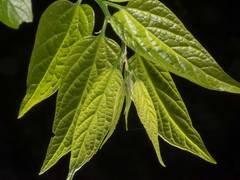 Thin young leaves of hackberry in Wolf Pen Creek Park. College Station, Texas, March 18, 2026 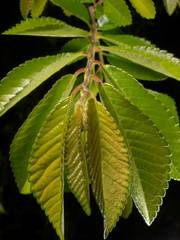 Back lit young leaves of a small elm in Wolf Pen Creek Park. College Station, Texas, March 18, 2026  Dry plant of poison ivy (Toxicodendron radicans) in Washington-on-the-Brazos State Historic Site. Washington, Texas, September 9, 2023 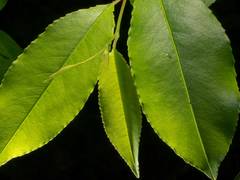 Young leaves of black cherry in Lick Creek Park. College Station, Texas, March 25, 2026  Young leaves of hackberry tree. The deeply impressed venation creates a quilted, highly textured surface on the more mature, larger leaves at the top of the cluster. Looking closely at the leaf margins, particularly on the prominent leaf on the left, one can clearly see the asymmetric bases and the sharp, forward-pointing serrations along the edges, both classic field marks for this genus. Bee Creek Park. College Station, Texas, March 26, 2026  Eastern poison ivy (Toxicodendron radicans) in Washington-on-the-Brazos State Historic Site. Washington, Texas, March 13, 2020  Eastern poison ivy (Toxicodendron radicans) in Washington-on-the-Brazos State Historic Site. Washington, Texas, March 17, 2019  An isolated cluster of cursed buttercup (Ranunculus sceleratus) emerges from the deep, jagged fissures of the heavily caked mud. Unlike the healthy, spreading vegetation seen elsewhere, this specimen exhibits bizarre, highly abnormal growth, with its thick main stems aggressively twisting and winding upward in a chaotic tangle. The plant s leaves appear curled and irregularly cupped, while its reproductive stalks terminate in bare, green, thimble-like floral heads entirely devoid of the plant s characteristic yellow petals. The dramatic twisting, sudden elongation, and stunted foliage seen here are textbook symptoms of exposure to a synthetic auxin herbicide, such as 2,4-D, triclopyr, or dicamba. These systemic chemicals are frequently used in park maintenance or nearby agricultural areas to control broadleaf weeds. When absorbed, the herbicide mimics the plant s natural growth hormones and triggers uncontrolled, rapid cell division and elongation. This chemical overload forces the stems to bend and coil unnaturally--a severe stress response known as epinasty--while causing the leaves to become strapped and deformed. Near Nails Creek Unit of Somerville Lake State Park. Texas, March 14, 2026  Eastern poison ivy (Toxicodendron radicans) on Caney Creek Trail (Little Lake Creek Loop Trail) in Sam Houston National Forest near Huntsville. Texas, March 30, 2019  Shoots of eastern poison ivy (Toxicodendron radicans) in Washington-on-the-Brazos State Historic Site. Washington, Texas, March 27, 2019  Seedling of Eastern poison ivy (Toxicodendron radicans) on Caney Creek Trail (Little Lake Creek Loop Trail) in Sam Houston National Forest near Huntsville. Texas, March 30, 2019  Back lit leaf of eastern poison ivy (Toxicodendron radicans) in Washington-on-the-Brazos State Historic Site. Washington, Texas, March 13, 2020 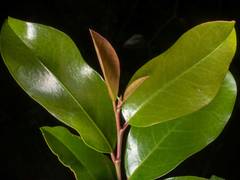 Shoot of black cherry(?) in Wolf Pen Creek Park. College Station, Texas, March 18, 2026  Back lit young leaves of rusty blackhaw viburnum (Viburnum rufidulum) in Wolf Pen Creek Park. College Station, Texas, March 18, 2026  Young leaves of poison ivy in Bee Creek Park. College Station, Texas, March 21, 2024  Reddish young leaves of poison ivy in Bee Creek Park. College Station, Texas, March 21, 2024 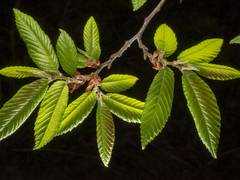 Fresh leaves of elm in Lick Creek Park. College Station, Texas, March 15, 2026  Fresh leaves of poison ivy in Bee Creek Park. College Station, Texas, April 12, 2022  Green mat of terrestrial water-starwort (Callitriche terrestris) growing on the exposed sandy shore of Lake Somerville. Closer to the lake[CloseCurlyQuote]s edge, individuals of this same species growing in puddles or shallow water will look remarkably different. When submerged or growing in saturated mud, the plant physically alters its cellular growth, producing leaves that are much larger, thinner, and distinctly elongated to maximize their ability to capture diffused light and dissolved gases underwater. Texas, February 28, 2026  Fresh oak leaves and catkins in Lick Creek Park. College Station, Texas, March 15, 2026  Young leaves of poison ivy climbing on a tree in Lick Creek Park. College Station, Texas, March 12, 2024  Distorted leaves of some plant shoot in Lick Creek Park. College Station, Texas, April 17, 2023  Sundew (Drosera brevifolia) leaves secreting sticky glue from reddish glandular hairs on their leaves in Big Thicket park on Pitcher Plant Trail. Texas, March 23, 2008  Shoot of poison ivy in Wolf Pen Creek Park. College Station, Texas, March 31, 2021  Young leaves of poison ivy in Lemontree Park. College Station, Texas, March 24, 2010.  Emerging young leaves of poison ivy, in Delaware and Raritan Canal State Park, near Carnegie Lake. Princeton, New Jersey, May 2, 2007 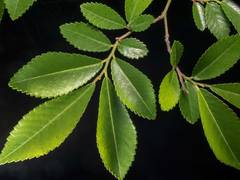 Leaves of a small elm in Wolf Pen Creek Park. College Station, Texas, March 18, 2026 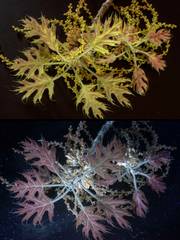 Fresh leaves of oak under both white light and a 365 nm ultraviolet (UV-A) LED flashlight in Lick Creek Park. College Station, Texas, March 3, 2026 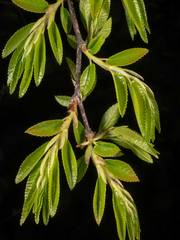 Unfolding leaves of a small elm in Wolf Pen Creek Park. College Station, Texas, March 18, 2026 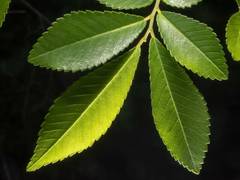 Back lit leaves of a small elm in Wolf Pen Creek Park. College Station, Texas, March 18, 2026  Young leaves of live oak in Wolf Pen Creek Park. College Station, Texas, March 19, 2020  Basal cluster of fleshy leaves of butterwort (Pinguicula pumila) in Big Thicket park, on Pitcher Plant Trail. Leaves are covered with special glandular hairs that trap tiny insects. Texas, March 23, 2008 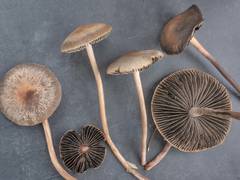 Banded mottlegill (Panaeolus cinctulus) on black background in Wolf Pen Creek Park. College Station, Texas, May 7, 2026  Young leaves and flowers of mulberry in Wolf Pen Creek Park. College Station, Texas, March 31, 2021  Young leaves of Chinaberry (Melia azedarach) in Wolf Pen Creek Park. College Station, Texas, March 30, 2023  Young leaves of hackberry (Celtis laevigata) in Wolf Pen Creek Park. College Station, Texas, March 30, 2023 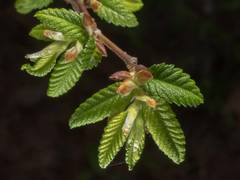 Young leaves of elm in Lick Creek Park. College Station, Texas, March 7, 2026 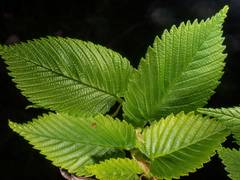 Young leaves of elm tree in Bee Creek Park. College Station, Texas, March 26, 2026  Young hairy leaves of a plant of carrot family in Lick Creek Park. College Station, Texas, February 27, 2023  Young leaves of Chinese tallow (Sapium sebiferum) in Wolf Pen Creek Park. College Station, Texas, March 31, 2021 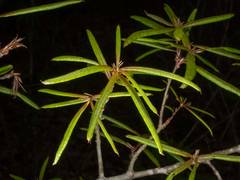 Young leaves of willow oak in Lick Creek Park. College Station, Texas, March 25, 2026 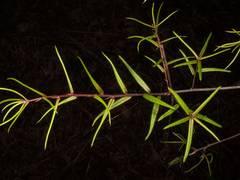 Young leaves of willow oak in Lick Creek Park. College Station, Texas, March 15, 2026  Young leaves on eastern cottonwood (Populus deltoides) in Lick Creek Park. College Station, Texas, March 27, 2023  Young leaves on eastern cottonwood (Populus deltoides) in Lick Creek Park. College Station, Texas, March 12, 2024  Young leaves of black cherry in Lick Creek Park. College Station, Texas, March 16, 2023  Young leaves of black cherry in Lick Creek Park. College Station, Texas, March 10, 2023  Young reddish leaves of heavenly bamboo (Nandina domestica) in Wolf Pen Creek Park. College Station, Texas, March 30, 2023 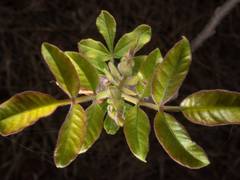 Young leaves of flameleaf sumac in Lick Creek Park. College Station, Texas, March 7, 2026  Focusing closer, the photograph reveals the intricate, densely packed structure of the cursed buttercup (Ranunculus sceleratus) as it colonizes the dried mud. The plants exhibit a vibrant, fleshy appearance, characterized by deeply lobed, shiny green leaves that vaguely resemble flat-leaf parsley or young celery--giving the plant its alternate name, the celery-leaved buttercup. In this dense thicket, the stout, hollow stems branch frequently, creating a tangled, multi-layered canopy. Tiny, five-petaled pale yellow flowers dot the upper stems, standing out brightly against the dark backdrop of the soil and the deeper green foliage below. Flag Pond near Nails Creek Unit of Somerville Lake State Park. Texas, March 14, 2026  Young leaves and flower buds of poison ivy in Bee Creek Park. College Station, Texas, April 2, 2021  Seedling of a dicotyledon plant narrowleaf marsh elder (Iva angustifolia) with young leaves in Lick Creek Park. College Station, Texas, February 23, 2024  Fresh brown spots of corticioid fungus Virgariella (anamorph of Hypoxylon fuscum complex) with some yellow growth around them on dry stems of Japanese privet in Hensel Park. College Station, Texas, March 11, 2024  Fall colors of poison oak in Wolf Pen Creek Park. College Station, Texas, December 13, 2020 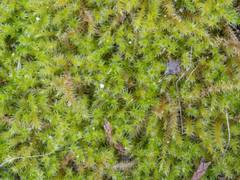 Campyliadelphus chrysophyllus (Campylium chrysophyllum, or "Golden Feather-Moss"). The giveaway is the way the tiny leaves are sitting on the stem. They are strongly squarrose, meaning they bend outward and backward from the stem at sharp angles. This gives the branch tips a distinctively bristly or "starry" appearance when you look right down them, which is the defining field mark of the Campylium/Campyliadelphus genus. Fort Boggy State Park. Leon County, Texas, February 21, 2026 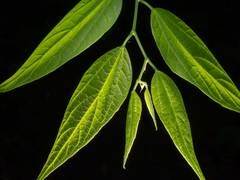 Shoot of hackberry in Wolf Pen Creek Park. College Station, Texas, March 23, 2026 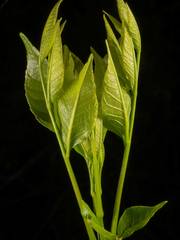 Shoot of hickory(?) in Wolf Pen Creek Park. College Station, Texas, March 18, 2026  Shoot of eastern cottonwood (Populus deltoides) in Wolf Pen Creek Park. College Station, Texas, March 19, 2020 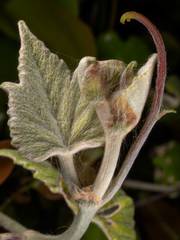 Shoot of mustang grape in Wolf Pen Creek Park. College Station, Texas, March 18, 2026 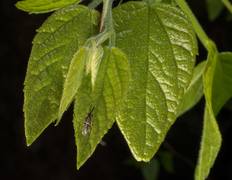 Shoot of hackberry with a small fly in Wolf Pen Creek Park. College Station, Texas, March 18, 2026 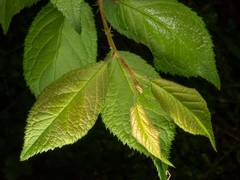 Shoot of Mexican plum in Wolf Pen Creek Park. College Station, Texas, March 23, 2026  Shoot of some creeping plant growing on soil at the base of a big fallen oak in Lick Creek Park. College Station, Texas, January 20, 2020  Basal rosette of leaves of some plant in Lick Creek Park. College Station, Texas, March 15, 2020  Young plant of spring scorpion grass (Myosotis macrosperma, Boraginaceae) with rust fungus Puccinia eatoniae var. myosotidis(?) near Racoon Run Trail in Lick Creek Park. College Station, Texas, March 7, 2022  Young leaves of some plant in Big Creek Scenic Area of Sam Houston National Forest. Shepherd, Texas, March 20, 2021  Rosette of leaves of a plant of sunflower family in Lick Creek Park. College Station, Texas, March 2, 2023  Young leaves of green ash in Wolf Pen Creek Park. College Station, Texas, April 8, 2022 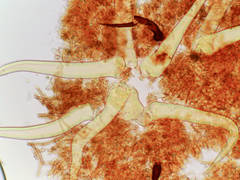 Plant astrosclereid originating from the Vaccinium bark together with hyphae of fungus Hymenochaete cinnamomea (H. fuliginosa complex), collected in Lick Creek Park. College Station, Texas, June 3, 2026  Spoonbowl sundew (Drosera brevifolia) with spoon-like leaves in a basal rosette in Big Thicket park on Pitcher Plant Trail. Texas, March 23, 2008  Blooming poison ivy (Toxicodendron radicans) on Richards Loop Trail in Sam Houston National Forest. Texas, April 21, 2022  Young leaves of rusty blackhaw viburnum (Viburnum rufidulum) in Lick Creek Park. College Station, Texas, March 15, 2026  Leaves of yaupon holly (Ilex vomitoria) with black spots caused by rust like fungus on black background in Hensel Park. College Station, Texas, June 5, 2019  Trumpet-like leaves with hooded lids of pitcher plant (Sarracenia alata) on Pitcher Plant Trail in Big Thicket National Preserve. Warren, Texas, November 10, 2013  Green form of chrysalis (pupal stage of butterfly) of Black Swallowtail formed on a plant stem in Lick Creek Park. College Station, Texas, June 1, 2010  The wilder, naturalistic aesthetic of Alexander Park s landscape section. The visual appeal lies in the layered textures of the undergrowth--a mix of golden birch leaves and red shrubbery--creating a chaotic but harmonious "tapestry" effect. Unlike the formal alleys, this scene emphasizes density and verticality, with thin birch trunks contrasting against the soft, diffuse background of the forest depth. It evokes the intimacy of a forest interior (uncultivated nature), a deliberate romantic counterpoint to the manicured geometry of the nearby "New Garden". Aleksandrovsky (Alexander) Park in Pushkin (former Tsarskoe Selo) near Saint Petersburg, Russia, October 10, 2025  Basal rosette of leaves of some dandelion-like(?) plant on Raccoon Run Trail in Lick Creek Park. College Station, Texas, March 15, 2020 |